
Oncology support
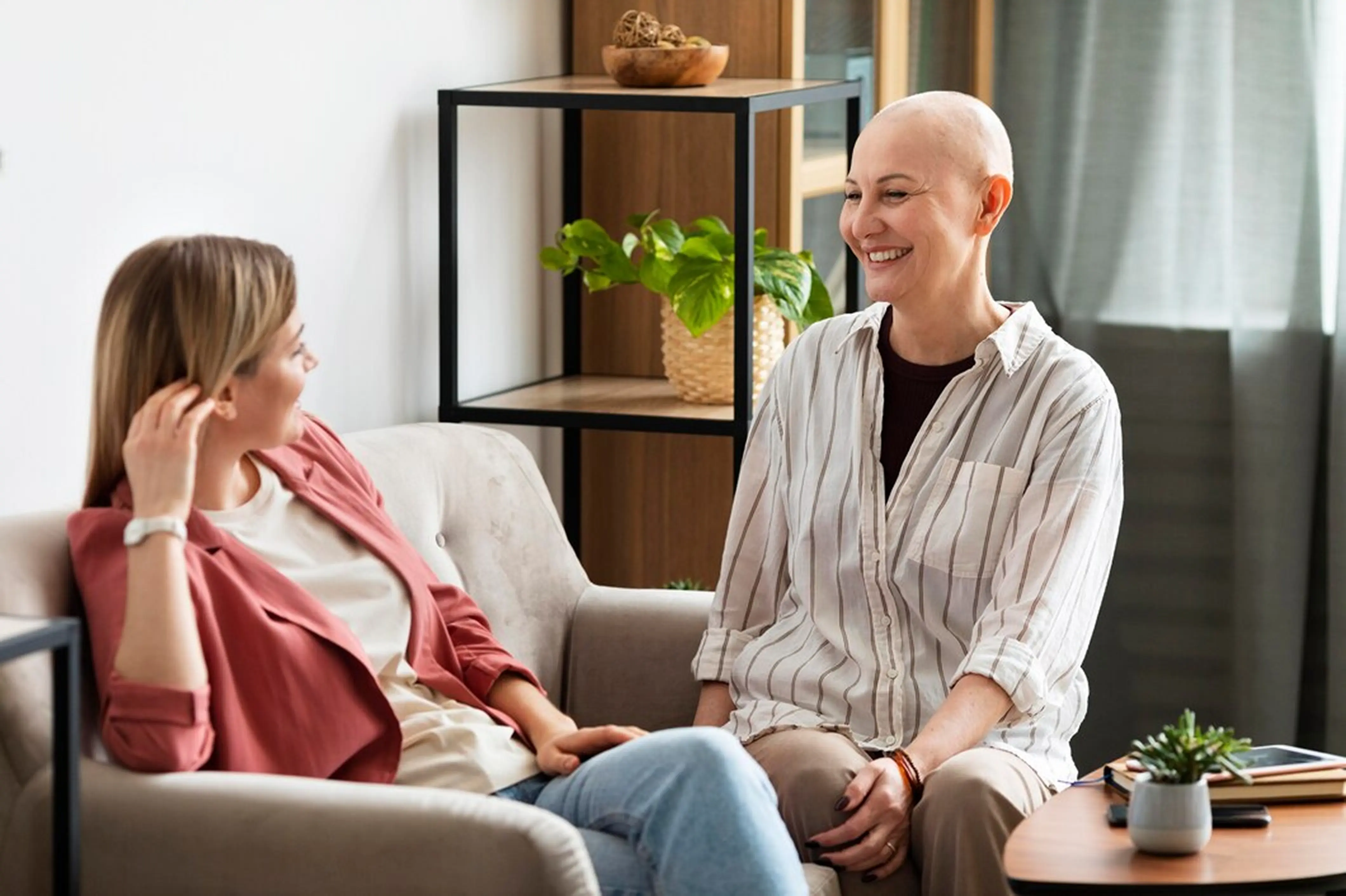
Receiving a cancer diagnosis is a life-altering ordeal. Oncology support then becomes essential to get through this difficult period. Indeed, beyond traditional medical treatments, comprehensive and personalized support can make all the difference in the patient’s journey.
Over the past fifteen years or so, cancer care has evolved considerably. Supportive care in oncology has emerged as an indispensable complement to treatments. It is no coincidence that, in 2019, 3 out of 4 French people considered this care to be as important as treatments against the disease. However, these services can sometimes remain difficult to access, particularly when they are far from home or not well known to patients.
In this article, we explore how initiatives such as P.A.C.O.S.S. (Accompanied and Coordinated Oncology Pathway related to Supportive Care) in the Bassin de Thau and our Hello Soins platform make access to complementary therapies easier. Together, we will see how personalized support over several months can significantly improve the well-being of people affected by cancer, and how our premium service connects patients and practitioners of alternative medicine for optimal follow-up.
Understanding supportive care in oncology
Supportive care represents a fundamental aspect of the modern oncology journey. To fully understand its place in patient support, let us examine its essential characteristics.
Definition and objectives
Supportive care in oncology, translated from the English term "supportive care," refers to all the care and support needed by people with cancer, alongside specific treatments against the disease. It does not constitute a specialty in its own right, but rather a global and coordinated approach to the patient.
Its main objective is to ensure the best possible quality of life on the physical, psychological, and social levels. These services are designed in particular to reduce the side effects of treatments and the consequences of the disease. In other words, they make it possible to live better with cancer, during and after treatment.
Why they are essential from the moment cancer is announced
From the moment of diagnosis, supportive care becomes an essential pillar of the care pathway. It provides a real breath of fresh air during this difficult period and contributes significantly to the patient’s well-being. In fact, its impact is fundamental in several respects: improved quality of life, better adherence to treatment, increased chances of recovery, and prevention of recurrence.
Moreover, patients express specific needs from the very beginning of their journey: 58.6% seek help managing treatment side effects, 53% want psychological support, and 43% wish to benefit from adapted physical activity.
The types of care offered
A reference "basket" of supportive care has been defined, including:
-
The basic foundation: pain management, dietary and nutritional follow-up, psychological support, social, family, and professional support.
-
Complementary care: adapted physical activity, lifestyle advice, psychological support for loved ones and caregivers, fertility preservation, and management of sexual health issues.
These services are sometimes supplemented by other approaches such as socio-aesthetics, sophrology, or art therapy. It all depends on the patient’s needs and the services available in the facility.
Despite being recognized as essential, access to this care remains uneven. According to a survey, 24% of people have never been referred to supportive care since the start of their journey, and among those who were offered this care, 19% declined it for financial reasons or because of geographic inaccessibility.
The concrete benefits for patients’ well-being
The impact of supportive care goes far beyond simple medical accompaniment. Its tangible effects profoundly transform the experience of patients facing cancer.
Reducing stress and anxiety
Psychological disorders such as anxiety and depression affect between 10 and 40% of cancer patients according to studies. These psychological sufferings can deeply affect well-being and increase the perception of physical pain and treatment side effects.
Fortunately, several mind-body approaches help calm thoughts and reduce stress. Medical hypnosis, whose effectiveness has been proven in relieving pain, can also reduce the stress and nausea associated with chemotherapy. Likewise, mindfulness meditation reduces fatigue, anxiety, and sleep disorders.
Improving quality of life
Adapted physical activity reduces fatigue levels by around 30%, regardless of the stage of care. It also helps maintain a better overall condition by preserving respiratory capacity, endurance, and muscle strength.
Moreover, practices such as sophrology, based on breathing and positive visualization, or art therapy, allow the patient to escape, express themselves, and find calm.
Supporting the management of side effects
Supportive care acts effectively on treatment side effects. Acupuncture helps patients better tolerate nausea related to chemotherapy and hot flashes associated with hormone therapy.
On the other hand, socio-aesthetics helps patients reconnect with their image and cope with certain toxicities. These sessions offer moments of respite and caring attention, improving well-being and boosting morale in the face of illness.
Preventing social isolation
Cancer can lead to a feeling of profound loneliness, even when surrounded by loved ones. Studies show that neglected people take less care of themselves and recover more slowly. Conversely, individuals with strong social relationships are healthier and consult their doctor more often.
Discussion groups organized by patient associations provide a beneficial space to share for the morale of patients and their loved ones. Exchange spaces such as ERI (Information and Meeting Spaces) also provide information and guidance according to needs.
The importance of personalized and coordinated support
An effective oncology pathway relies on a collaborative and tailor-made approach. Oncology support must adapt to each patient’s unique needs in order to be truly beneficial.
Adapting care to each stage of the journey
Each phase of cancer requires specific interventions. At diagnosis, psychological support is essential, while during treatment, managing side effects becomes crucial. During remission, support focuses on returning to normal life and preventing recurrence. Thus, regular assessment of needs makes it possible to adjust supportive care in oncology throughout the journey.
Coordination between hospital, city care, and home
Continuity of care between different settings represents a major challenge. Poor coordination can create harmful breaks in the patient’s journey. Moreover, digital platforms such as Hello Soins facilitate this coordination by connecting patients and practitioners, enabling optimal follow-up even from a distance. This simplified access to alternative medicine ideally complements traditional medical follow-up.
The role of healthcare professionals and associations
A multidisciplinary team is the cornerstone of successful support. Doctors, nurses, psychologists, and practitioners in complementary medicine work together to provide holistic care. In addition, patient associations offer valuable support by organizing discussion groups and therapeutic activities. This synergy between professionals and associations ensures comprehensive support that addresses all dimensions of the patient’s life.
Hello Soins: a digital solution for premium support
Faced with the challenges of oncology support, technology now offers innovative solutions. Hello Soins positions itself as a premium platform that precisely meets the needs of cancer patients and practitioners in alternative medicine.
Easy access to alternative medicine
Hello Soins connects patients with a vast network of healthcare professionals specialized in complementary approaches. This e-health platform makes it possible to quickly find the specialist best suited to the patient’s specific needs. In oncology, this simplified access to supportive care such as sophrology or naturopathy is a considerable asset for relieving treatment side effects.
Simplified appointment booking and priority time slots
The booking process is intuitive and accessible to everyone, including people with reduced mobility. In just a few clicks, patients can filter by specialty or availability and select the time slot that suits them. This system is particularly valuable for convalescing patients, who can thus benefit from consultations from home.
Direct chat with practitioners
The platform offers a secure space for direct communication with practitioners. This feature strengthens the therapeutic relationship and ensures personalized follow-up, even remotely. Moreover, patients can keep their medical documents in a dedicated space, making it easier to share information with the care team.
Visibility and optimized management for professionals
For practitioners, Hello Soins represents a valuable tool for professional development. The platform improves their visibility and simplifies appointment management. This solution is notably deployed in certain oncology-specialized centers, such as the Bergonié Institute in Bordeaux, thereby maintaining human contact in remote care relationships.
Conclusion
When faced with cancer, the quality of support becomes just as important as the medical treatments themselves. After all, supportive care now constitutes an essential pillar in the modern oncology pathway. These complementary approaches do indeed offer concrete and measurable benefits: reduced stress, improved quality of life, better management of side effects, and prevention of social isolation.
Nevertheless, access to this care remains complicated for many patients at times. This is precisely where solutions like Hello Soins make perfect sense. This platform acts as a bridge between patients and practitioners of alternative medicine, thereby facilitating access to essential complementary therapies throughout the care pathway.
Moreover, Hello Soins also meets the needs of professionals by offering them greater visibility and optimized management tools. This win-win approach therefore transforms the experience on both sides of the therapeutic relationship.
Without a doubt, the future of oncology lies in this holistic vision where conventional medicine and complementary approaches work hand in hand. As patients seek increasingly personalized care, services like Hello Soins become essential to create care pathways truly adapted to each person.
Ultimately, what we are seeing today represents a profound evolution in our conception of oncology care - a model where technology does not replace human contact but rather strengthens the relational dimension so crucial to the healing process. This synergy between technological innovation and human support thus paves the way for more comprehensive, more accessible, and ultimately more effective care for all patients facing cancer.


