
Physical trauma management
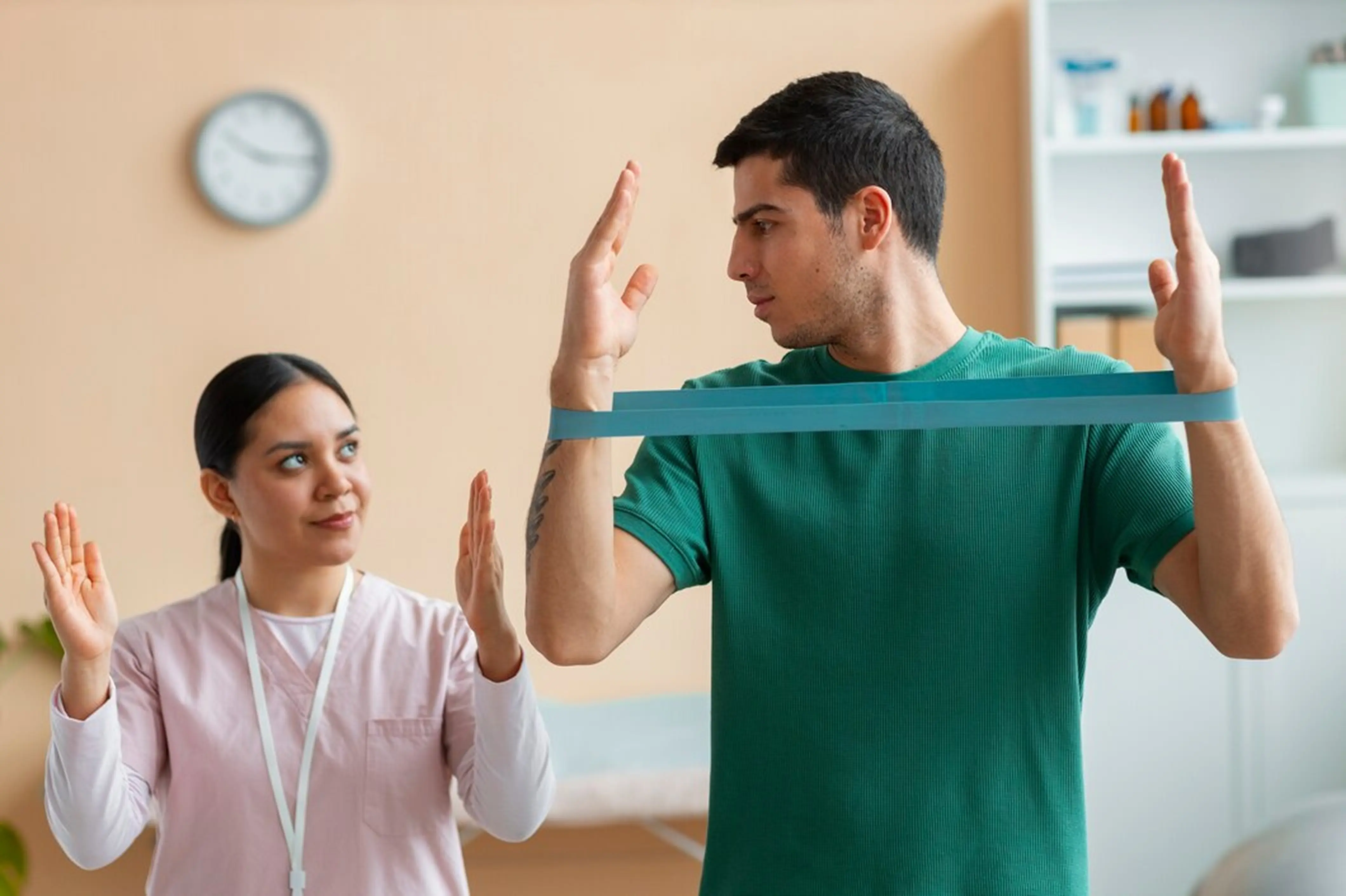
The management of physical trauma, therapy for your well-being, is an essential process that helps people recover after a traumatic incident. We know that trauma can be caused by various factors and have a significant impact on daily life. For example, road accidents often cause serious injuries requiring extensive rehabilitation.
This rehabilitation plays a crucial role in recovery by helping restore function, mobility, and a normal quality of life. Psycho-body therapy is one of the approaches that can help in this process. What is fascinating is that the science behind rehabilitation is based on neuroplasticity - this amazing ability of the brain to reorganize itself by forming new neural connections. At Hello Soins, we understand the importance of personalized support in your healing journey, which is why we connect you with qualified practitioners in alternative medicine to support your physical and emotional recovery.
Understanding physical trauma
Physical trauma refers to an injury or damage to the body's tissues and organs, caused accidentally by an external agent. However, this medical definition masks a more complex reality that we encounter regularly among our patients.
Definition and types of trauma
The term "trauma" comes from the Greek "τραῦμα" (trauma), meaning "wound." It refers to damage caused by a serious and sudden physical injury. These traumas can be classified according to the area of the body affected:
-
Polytrauma (around 40%)
-
Head trauma (around 30%)
-
Chest trauma (20%)
-
Abdominal trauma (10%)
-
Extremity trauma (2%)
In addition, there are two main types of trauma: blunt (or closed) injuries without skin penetration, and penetrating (or open) injuries with skin penetration. The most common causes include road accidents, falls (the second most common cause of trauma), as well as domestic, sports, or workplace incidents.
Physical and psychological consequences
The physical consequences can vary considerably. Locally, one may observe pain, deformity, fracture, dislocation, wound, hematoma, or bruise. Other common symptoms include headaches, dizziness, blurred vision, sensitivity to light or sound, nausea, and fatigue.
However, what makes trauma management so complex are its psychological repercussions. Indeed, physical trauma often leads to significant emotional consequences such as anxiety and depression. Around 20% of cases develop chronic post-traumatic stress disorder, characterized by flashbacks, a state of hypervigilance, and sometimes social isolation.
Patients who benefit from psycho-body therapy in their care pathway generally show better overall recovery, as this approach addresses both the physical and emotional dimensions of trauma.
When should you consult a professional?
Medical consultation is immediately necessary in the event of:
-
Head trauma, even mild
-
Deep wound requiring stitches
-
Severe or persistent pain
-
Warning signs such as severe worsening headaches, repeated vomiting, double vision, or difficulty walking
For psychological aspects, consult if you notice that your reactions persist or intensify a few days after the event, or if you regularly relive the traumatic situation.
At Hello Soins, we understand that recovering from trauma requires a comprehensive approach. Our platform helps you find and book appointments with practitioners in alternative medicine who can complement your traditional medical care, particularly to manage emotional aftereffects and promote complete healing.
The professionals involved in rehabilitation
Rehabilitation after physical trauma requires the intervention of a multidisciplinary team in which each professional brings their specific expertise. This coordinated approach maximizes the chances of recovery and significantly reduces the risk of long-term sequelae.
Physicians in physical medicine and rehabilitation
The physician in physical medicine and rehabilitation (PMR) plays the role of conductor in the healing process. Their main objective is to analyze the consequences of the trauma on the patient's daily functioning and to maximize independence. This specialist designs and oversees a rehabilitation program unique to each person, coordinating the involvement of other specialist physicians and allied health professionals. Physical medicine and rehabilitation essentially aims to prevent or minimize the physical, psychological, social, and economic functional consequences of impairments.
Physiotherapists and occupational therapists
Physiotherapists generally intervene on the front line. After a clinical assessment, they work to restore physical health and mobility through specific exercises and mobilizations. In neurology, their goals include improving walking, balance, and independence in transfers.
In addition, occupational therapy often accompanies physiotherapy in the early phases of rehabilitation. The occupational therapist focuses on the patient's ability to perform daily activities such as dressing, bathing, or eating. This professional also assesses the home environment and suggests adaptations to facilitate independence.
Psychologists and emotional support
Psychological support is fundamental in rehabilitation after trauma. Psychologists intervene to normalize the reactions and symptoms that the patient and their loved ones may experience. Their work aims to create essential emotional balance: a reassured patient responds better to therapeutic interventions.
Speech therapists and nutritionists
The speech therapist assesses and treats language and swallowing disorders often present after certain traumas. These specialists are notably involved in evaluating eating abilities from both a quantitative and qualitative standpoint, proposing swallowing muscle stimulation exercises if necessary.
Nutritionists, for their part, complement this care by adapting the diet to the specific needs of the patient in rehabilitation.
At Hello Soins, we understand the importance of a comprehensive approach. Our platform helps you complement this traditional medical follow-up by connecting you with practitioners in alternative medicine who can make a significant contribution to your well-being during this recovery phase.
The key stages of a rehabilitation journey
The rehabilitation journey after physical trauma generally follows a structured progression. In my practice, I have found that each stage is essential for optimal recovery.
Initial assessment and diagnosis
First, a complete assessment determines the extent of the damage and establishes a baseline for measuring future progress. This phase includes movement analysis, pain evaluation, and identification of functional limitations. Tools such as pain scales and functional tests make it possible to objectively quantify the initial situation.
Pain management and stabilization
Next, the priority becomes pain management and stabilizing the patient's condition. This stage often combines medication, manual therapies, and relaxation techniques. Psycho-body therapy plays a significant role here by helping manage the anxiety associated with trauma.
Functional re-education and strengthening
Subsequently, functional re-education aims to restore lost abilities. Progressive exercises for muscle strengthening, range of motion, and coordination are integrated. The goal is to improve endurance and restore normal movement patterns.
Gradual return to independence
Finally, the last phase concerns returning to independence in daily activities. This delicate transition requires support to avoid relapses. At Hello Soins, we facilitate connections with practitioners in alternative medicine who perfectly complement this stage of the healing journey.
Modern tools and personalized care
Rehabilitation medicine is now enriched by innovative tools that transform the patient's experience after physical trauma.
Technologies used: virtual reality, biofeedback
Virtual reality (VR) is emerging as a powerful therapeutic tool in the treatment of trauma. Thanks to standalone, durable headsets, this immersive technology simultaneously stimulates the motor, sensory, and cognitive systems, thus optimizing recovery processes. Biofeedback, for its part, allows patients to instantly visualize their movements and improve the quality of their gestures. These technologies rely on the principle of neuroplasticity to create new neural connections.
Role of psycho-body therapy
Psycho-body therapy considers the body and mind to be closely linked. This holistic approach aims to release tension, restore inner balance, and reconnect with one's overall well-being. Techniques such as conscious breathing, relaxation, and meditation make it possible to explore and transform traumatic experiences stored in the body.
Personalized follow-up and adjustment of the care plan
After an initial assessment consultation, a personalized care program is proposed to the patient for a defined period. This follow-up generates precise data - range of motion, execution speed, movement accuracy - making it possible to adjust treatment objectively.
Importance of psychological support
Psychological support is an essential component in rebuilding lives affected by trauma. It is particularly helpful for people developing post-traumatic stress disorder, whose symptoms may appear several months after the event.
At Hello Soins, we help connect you with practitioners in alternative medicine specializing in these modern, personalized approaches to support your healing journey.
Conclusion
Managing physical trauma represents a complex journey that requires a comprehensive and personalized approach. We have seen how the consequences of trauma extend far beyond visible injuries, profoundly affecting psychological well-being. Indeed, body and mind remain inseparable in this healing process.
The different stages of rehabilitation, from the initial assessment to the return to independence, require specialized support adapted to each situation. Thus, coordination between specialist physicians, physiotherapists, occupational therapists, and psychologists proves essential to optimize the chances of recovery.
In addition, psycho-body therapies play a fundamental role in this care pathway. These approaches make it possible to address the physical and emotional dimensions of trauma simultaneously, promoting more complete and lasting healing.
At Hello Soins, we fully understand this reality. Our premium platform connects patients with qualified practitioners in alternative medicine who effectively complement traditional medical care. We also offer practitioners a solution for managing their appointments and greater visibility to grow their patient base.
Ultimately, the path to recovery after physical trauma is never linear. Each person reacts differently and progresses at their own pace. That is why personalized follow-up and the integration of alternative medicine can make all the difference. Our mission is to facilitate this meeting between patients and practitioners, while ensuring a premium service of support and availability.
True healing therefore comes through an approach that honors both body and mind. On this sometimes difficult path, know that you are not alone - Hello Soins remains by your side to help you regain your full well-being.


