
Fasciatherapy / Fasciapulsology
Did you know that 79% of people who consulted in fascial therapy/fasciapulsology reported an improvement in their health? Fascial therapy / fasciapulsology, principles and benefits for well-being, is a therapeutic approach that is gaining popularity for its remarkable results on the body and mind.
Developed in the 1980s by Dr. Danis Bois, a physiotherapist and osteopath, fascial therapy offers many therapeutic benefits. This method is particularly recognized for its effectiveness in managing chronic pain. Fasciapulsology, for its part, represents a specific approach that improves body balance and posture, while supporting recovery after intense physical exertion or injuries.
In this article, we explore the fundamental principles of these manual therapies, their health benefits, as well as the criteria for choosing a qualified practitioner. At Hello Soins, we connect patients with certified practitioners to offer you the best of these alternative treatments.
Understanding fascial therapy and fasciapulsology
Fascia is at the heart of the therapeutic approaches we are exploring today. These tissues, long overlooked, nevertheless play a fundamental role in our overall health.
Definition of fascia and its role
Fascia are fibro-elastic membranes that envelop all the anatomical structures of the human body. Made mainly of collagen, elastin, and hyaluronic acid, they form a continuous three-dimensional network that extends from head to toe and from the surface to the depth. There are three main groups of fascia:
-
Superficial fascia located under the skin
-
Deep fascia surrounding the muscles and joints
-
Visceral fascia protecting the organs
Contrary to common assumptions, fascia are not merely passive coverings. They play an essential biomechanical role thanks to their viscoelastic properties and can even contract independently of the muscles. More richly innervated than muscles, they actively participate in proprioception (perception of the body in space) and nociception (perception of pain). Without them, "muscles would lose their shape, bones their stability, and organs would collapse inside the body".
Differences between fascial therapy and fasciapulsology
Although often confused, fascial therapy and fasciapulsology have important differences. Fascial therapy, developed by Danis Bois, is a manual therapy that focuses on the internal movement of the fascia to stimulate the body’s self-regulating capacities. This non-manipulative approach aims to restore the person’s somato-psychic balance.
By contrast, fasciapulsology, created by Christian Carini and taught for about thirty years, is distinguished "by a particular touch and work on arterial circulation". A typical session is described as follows: "the therapist places one hand in one spot, the other on a different area, and stays like that without moving", particularly targeting the pulsation of the fascia and the release of bodily memories.
Origins of the method by Danis Bois
A physiotherapist and osteopath by training, Danis Bois developed fascial therapy in the 1980s. It was by observing his own clinical practice that he discovered "a new expression of organic force, different from that usually described in osteopathy", which he named "internal movement".
As he explains it himself: "With osteopathy, I treated an organism. With fascial therapy, I addressed the person in their somato-psychic totality." This realization gave rise to the relational touch characteristic of the method.
Over time, Bois also found that some patients seemed affected by a form of "perceptual blindness", failing to perceive internal phenomena in their bodies. This observation led him to develop an educational dimension in which the patient becomes active in their therapeutic process, thereby contributing to the ongoing evolution of this approach.
The physical and emotional benefits of fascial therapy
Scientific research increasingly confirms the multiple benefits of fascial therapy, both physically and emotionally. Let us examine how this therapeutic approach acts on different aspects of our health.
Relief from chronic pain
Studies have confirmed the effectiveness of therapeutic fascial manipulation in treating chronic pain, particularly shoulder pain. This therapy is particularly beneficial for relieving various painful conditions such as arthritis, muscle and joint pain, sprains, and tendinitis. By acting directly on the fascia, the gentle manipulations carried out by the therapist help release tension and reduce inflammation, thereby providing significant relief.
Improved joint mobility
Fascial therapy has been shown to be beneficial in increasing joint mobility and may slightly reduce pain and the decline in muscle performance after intense exercise. By stimulating the fascia, this therapy improves tissue flexibility and range of motion, allowing patients to regain a freedom of movement that is often lost.
Reduced stress and anxiety
The fascia is directly involved in stress responses. When it becomes tense and tight, it contributes to bodily dysfunction. Fascial therapy acts effectively on acute or chronic states of stress by bringing about tissue relaxation and a rebalancing of tone, creating a sensation of relief, fluidity, and ease. This approach also helps reduce anxiety by promoting deep relaxation.
Harmonizing body and mind
Beyond its physical effects, fascial therapy makes it possible to rediscover the essential feeling of being at ease in one’s body. This therapy promotes bodily integration by helping the patient become aware of their body and establish a deeper connection between body and mind. Indeed, it improves one’s relationship with oneself and gradually allows access to a more in-depth sensory understanding.
Support for recovery after injury
In the sports field, fascial therapy has a great deal of clinical experience. It can reduce recovery time after an injury or surgery by improving blood circulation, reducing inflammation, and improving mobility. A study involving 50 first-division football players in France revealed that 80% of them reported an improvement in their injury(ies) after just three fascial therapy sessions.
At Hello Soins, we connect our patients with qualified practitioners capable of offering these therapeutic benefits, thus ensuring personalized support toward overall well-being.
How does a fascial therapy session take place?
An initial fascial therapy consultation always begins with a discussion. The practitioner takes the time to get to know you, listen to your expectations, and set up your file before moving on to action.
Manual techniques used
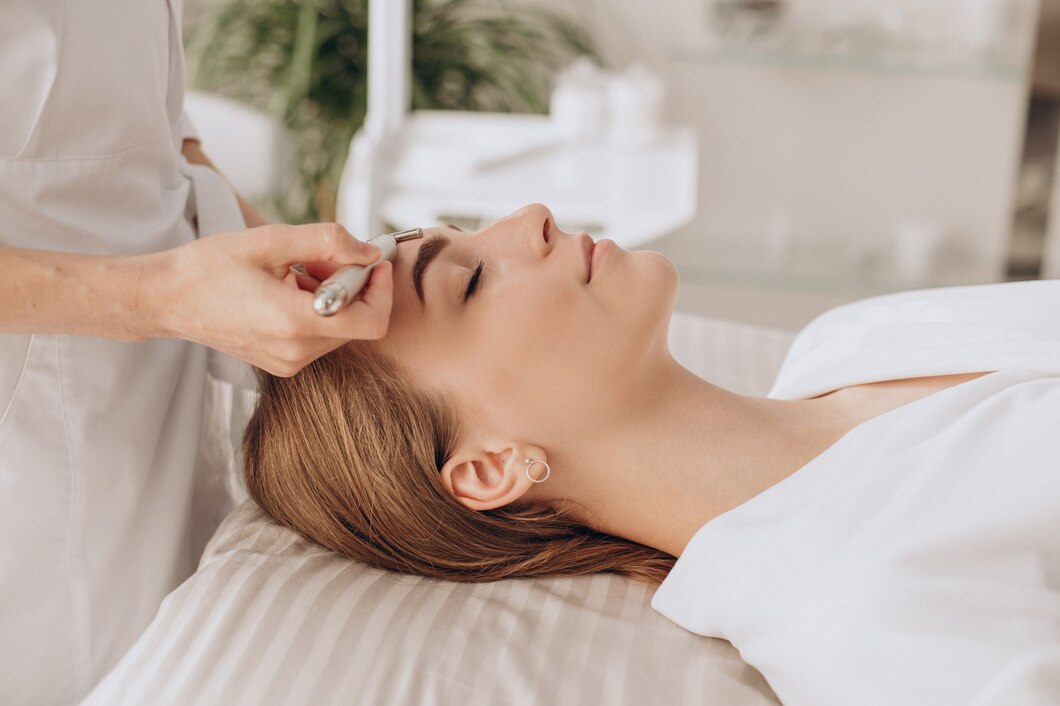
Lying on a massage table, dressed in loose clothing or underwear, you are invited to close your eyes to better feel what is happening in your body. The fascial therapist then uses a specific and non-invasive touch. Their hands move slowly over the fascia, precisely identifying adhesions and tension areas.
Through gentle pressure and light traction, the practitioner follows the natural movement of the tissues. They then perform "support points"—those moments of suspension when the body organizes its therapeutic response. This technique promotes free blood circulation and restores the fascia’s natural suppleness.
Several approaches may be combined during the session:
-
Pulsology (work on blood flow)
-
Somato-psychic attunement (improving the body-mind relationship)
-
Sensory gymnastics (to extend the effects of the treatment)
Duration and frequency of sessions
A complete session generally lasts between 45 and 60 minutes. For some complex cases, it may last up to 90 minutes.
As for the number of sessions needed, that depends entirely on your situation. For a recent problem, expect 2 to 4 sessions, while chronic disorders require between 5 and 10 sessions. In general, patients already feel an improvement after 1 to 3 sessions.
Ideally, you should initially plan for one session per week, then gradually space them out depending on how your condition progresses. An integration period of about three weeks between each treatment is sometimes recommended.
Sensation during and after the session
During the treatment, sensations vary considerably from one person to another. Some describe a pleasant warmth, others feel as though they are "sinking into the table" or, on the contrary, floating. This diversity of sensations is normal and reflects each person’s individual response.
After the session, most patients experience a general sense of well-being, a feeling of lightness, and a reduction in pain. However, temporary sensitivity may appear in the treated areas, a normal phenomenon that is part of the readjustment process.
It is advisable to moderate your activities for about a week after the treatment to allow your body to fully integrate the benefits of the session.
Precautions and choosing a good practitioner
To fully benefit from fascial therapy, it is essential to know certain precautions and understand how to select a competent practitioner.
Contraindications to be aware of
Although fascial therapy is generally gentle, certain situations require special precautions. I do not recommend sessions in case of acute fever, general or local infection, and during the first three months of pregnancy. In addition, people suffering from coagulation disorders or taking anticoagulants should inform their practitioner before any session. In the case of active cancer, prior medical authorization is essential.
Criteria for choosing a qualified practitioner
A good fascial therapist has solid and recognized training. I recommend checking their qualifications, especially whether they are certified by organizations such as the Higher School of Fascial Therapy or the Center for Study and Applied Research in Perceptive Psychopedagogy. Professional experience is also a determining factor - a practitioner who has been working for several years will have developed finer tactile sensitivity.
In addition, listening and kindness are essential qualities. During the first contact, assess whether the therapist takes the time to understand your situation and answer your questions.
Questions to ask at the first appointment
Before starting your treatment, ask these important questions:
-
What is your training in fascial therapy/fasciapulsology?
-
How long have you been practicing?
-
Have you already treated cases similar to mine?
-
How many sessions do you estimate will be necessary?
-
What results can I expect, and within what timeframe?
These questions will help you establish a relationship of trust with your practitioner and better understand the therapeutic process.
The value of a platform like Hello Soins
Our Hello Soins platform offers a convenient solution for finding qualified fascial therapists. We rigorously select our practitioners to ensure quality and professionalism. For patients, we make appointment booking easier with privileged access to the best time slots. Our service also includes personalized follow-up via direct chat with your therapist.
Practitioners, for their part, benefit from greater visibility and efficient schedule management tools. Our artificial intelligence integration optimizes the connection between patients and practitioners, making the experience smoother and more personalized.
Conclusion
Fascial therapy and fasciapulsology therefore represent particularly effective therapeutic approaches for improving our overall well-being. These methods, based on work with the fascia, offer a natural response to many physical and emotional disorders. Certainly, their ability to relieve chronic pain, improve mobility, and reduce stress makes them valuable allies for our health.
We have seen that the techniques used are gentle yet powerful, respecting the body’s natural rhythm. During a session, the practitioner uses a specific touch to release tension and restore bodily harmony. Thus, most patients notice significant improvements after just a few sessions.
Nevertheless, choosing a qualified practitioner remains essential to fully benefit from these therapies. In this regard, Hello Soins supports you in this process by connecting you with certified and experienced professionals. Our premium platform not only makes booking appointments easier, but also allows for personalized follow-up thanks to our direct chat with practitioners.
For therapists, we also offer high-performance schedule management tools and increased visibility to grow their patient base. Thanks to the integration of artificial intelligence, we optimize this connection between patients and practitioners.
Ultimately, fascial therapy is much more than a simple treatment - it is an invitation to rediscover one’s body, listen to its messages, and regain deep balance. Whether you suffer from persistent pain, chronic stress, or simply want to improve your overall well-being, this therapeutic approach deserves your full attention.