
Haptonomy
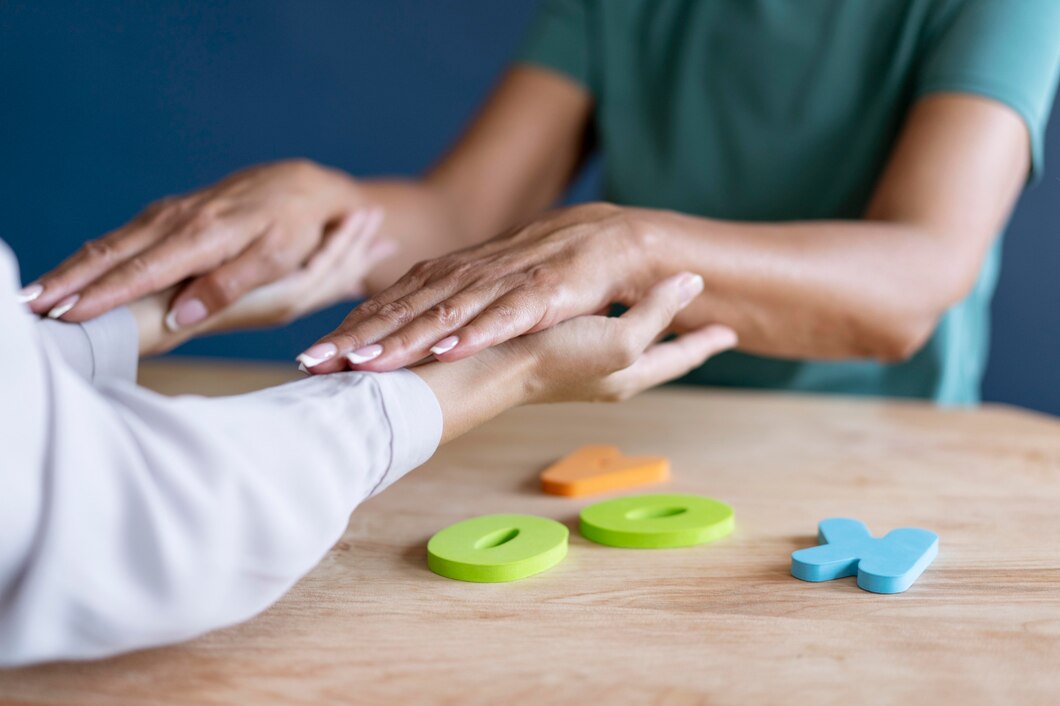
Haptonomy offers us a unique approach based on affective touch, making it possible to create deep bonds between human beings. Developed in the 1980s by the Dutchman Frans Veldman, this science of affectivity rests on fundamental principles such as unconditional welcome and respectful tactile contact.
Particularly beneficial during pregnancy, haptonomy pregnancy allows future parents to communicate with their baby in utero through gentle pressure on the mother's abdomen. Indeed, this practice fosters the maturation of affective bonds between the father, the mother, and the child, thus contributing to a more serene childbirth. Social Security also reimburses seven sessions as part of childbirth preparation when they are carried out by a doctor or midwife.
This discipline accompanies human beings throughout their lives, from preconception to their final days. Its benefits are numerous: restoration of a psycho-affective state of health, development of an inner sense of security, and access to autonomy in affective relationships. In this article, we explore together the principles and the many benefits of haptonomy for our overall well-being.
The foundations of haptonomy
Haptonomic practice is based on deep scientific and philosophical foundations that explain its uniqueness in the field of well-being. Unlike purely physiological approaches, haptonomy integrates an essential affective dimension that makes it a unique discipline.
A science of affectivity
Haptonomy is defined прежде всего as a science of affectivity. It considers affectivity to be the fundamental basis of our development and personal fulfillment. Moreover, this approach considers the human being as a whole, without separating body and mind. Indeed, according to haptonomic principles, our body is not only a physical shell, but also the place where our emotions and our affective experience are expressed.
This science is particularly interested in the way we relate to ourselves and to others. It postulates that our ability to establish healthy affective contact largely determines our psychological and physical well-being. Thus, through precise gestures and attentive presence, the haptonomy practitioner accompanies the person toward a better awareness of their body and sensations.
The role of touch in human relationships
Touch is haptonomy's preferred tool. This sense, often neglected in our Western society, nonetheless plays a fundamental role in our development from intrauterine life onward. In addition, affective tactile contact makes it possible to establish deep communication that transcends words.
In haptonomic practice, touch is never invasive or mechanical. It is a confirming touch that respects the person's integrity while inviting them to open up to the relationship. As a result, this specific contact generates a sense of inner security that allows the person being accompanied to feel fully welcomed in their being.
Origins and development by Frans Veldman
It was during the Second World War that Frans Veldman, a Dutch physician and researcher, began to develop the principles of haptonomy. Faced with the atrocities he witnessed, he questioned what drives human beings to adopt destructive behavior toward their fellow humans.
After years of research and observation, Veldman officially founded haptonomy in the 1980s. Initially, he developed this approach to support pregnant women and couples in preparing for childbirth. However, he quickly expanded its scope to all stages of life.
The term "haptonomy" comes from the Greek "hapsis" (touch, tact, contact) and "nomos" (law, rule). This etymology perfectly reflects the essence of this discipline, which explores the laws of affective contact and its impact on our overall balance. Today, this practice continues to evolve and grow richer thanks to the work of practitioners trained in different countries.
The main principles of haptonomy
At the heart of the haptonomic approach are five fundamental principles that guide each practitioner in their support. These essential pillars define the uniqueness of this approach and ensure its therapeutic effectiveness.
Unconditional welcome of the person
Haptonomy places welcome at the center of its practice. This welcome is characterized by an attitude of total openness toward the person being accompanied, without judgment or expectation. The practitioner receives the other in their entirety, with their history, emotions, and specific needs. Moreover, this stance of welcome creates a secure space where the person can feel free to be authentic and to express themselves fully.
Secure tactile contact
In the haptonomic approach, touch is never technical or mechanical. It is a respectful, gentle, and caring contact that invites the person to open up to the relationship. This specific touch, called "psychotactile contact," makes it possible to establish deep affective communication beyond words. Indeed, thanks to this contact, the practitioner can accompany the person toward a better awareness of their body and sensations.
The benevolent presence of the practitioner
The quality of the practitioner's presence is a determining element in haptonomic support. This presence is manifested through constant attention, active listening, and full availability. Thus, the practitioner fully engages in the relationship while respecting the autonomy of the person being accompanied. This benevolent presence promotes the establishment of a bond of trust that is essential to the therapeutic process.
Listening to bodily emotions
Haptonomy attaches particular importance to the bodily manifestations of emotions. The practitioner learns to decode the body's language and perceive tensions, blockages, or openings. This subtle listening makes it possible to accompany the person toward a better understanding of their sensations and deep needs. In addition, this approach fosters reconnection between body and emotions, often dissociated in our modern society.
Activation of the hapsys
The hapsys represents our innate ability to enter into affective contact with others. In haptonomy, activating this system helps develop our relational sensitivity and emotional intelligence. Through specific exercises, the practitioner guides the person toward a greater awareness of their affective potential and their ability to create authentic bonds with others.
The benefits of haptonomy for well-being
Practicing haptonomy brings about profound transformations that extend far beyond the sessions with the practitioner. This discipline of affective touch offers many benefits that touch all dimensions of our being.
Strengthening inner security
One of the major contributions of haptonomy is the development of a sense of inner security. Thanks to caring tactile contact, the person being accompanied gradually regains trust in their sensations and in their body. This affective security provides a solid foundation on which they can rely to face life's challenges. Indeed, when we feel secure भीतर, our relationship with the outside world changes positively.
Improving self-confidence
Through the unconditional welcome offered in haptonomy, the person rediscovers their intrinsic value. This deep recognition fosters better self-esteem and greater confidence in their abilities. Moreover, the haptonomic approach makes it possible to develop a fine awareness of one's needs and limits, which strengthens the ability to assert oneself while respecting oneself and others.
Reducing emotional tension
Haptonomic touch acts directly on physical and emotional tension. By releasing these blockages, the person can access a state of deep and lasting relaxation. Thus, haptonomy is a valuable resource for managing daily stress and preventing emotional exhaustion.
Developing relational quality
By reconnecting us to our affective sensitivity, haptonomy helps us enrich our relationships with others. This approach invites us to develop authentic presence and empathetic listening. In addition, it teaches us to create bonds based on mutual respect and kindness, thereby improving the quality of our social interactions.
Support during periods of transition
Haptonomy offers particularly valuable support during life transitions. During pregnancy in particular, haptonomy pregnancy allows future parents to establish an early affective bond with their child, thus facilitating this major transformation. In addition, this approach effectively supports people going through other pivotal moments such as adolescence, grief, or aging, by offering them a space of welcome and comfort.
Concrete applications: from pregnancy to end of life
Haptonomy takes various practical forms that accompany human beings throughout their lives. This science of affectivity adapts to the specific needs of each stage, from conception to the final moments.
Haptonomy pregnancy: creating the bond with the baby
Prenatal haptonomic support ideally begins around the fourth month of pregnancy, when the mother begins to perceive her child's movements. Each session allows parents to learn how to communicate with their baby through affective touch on the mother's abdomen. Through gentle pressure, they invite the child to come snuggle against their hands, thus creating a first tactile dialogue. This early bond gives the baby a sense of security that is fundamental to their future development.
The sessions, eight to nine before birth, continue after the baby's arrival. In particular, four postnatal meetings are recommended: within 15 days after childbirth, at around 3–4 months, at 8–9 months, and then after the child learns to walk. These children often develop a particular quality of presence, with specific postural tone and great self-confidence.
Haptopsychotherapy: supporting affective disorders
Haptopsychotherapy aims to establish, restore, or develop good psycho-affective health. It is particularly intended for people going through an existential crisis or suffering from depression. Indeed, this approach activates the "vital libido" — the desire and pleasure of living — by placing the affective confirmation of being at the center of the therapeutic work.
Haptonomic contact arouses a feeling of wholeness and security that frees authentic speech. Moreover, this approach can help people who have experienced sexual violence rediscover respectful and healthy contact.
Haptosynesis and haptopedagogy
Haptosynesis, the medical and paramedical application of haptonomy, optimizes the caregiver-patient relationship. It enables the patient to take an active part in their care, even in difficult situations. Thanks to this approach, the patient develops a "representation tone" characterized by bodily suppleness that facilitates examinations and care.
Haptopedagogy, for its part, guides the child toward autonomy by appealing to their sense of responsibility. It promotes harmonious development in which affectivity nourishes intelligence and relational abilities.
Support at the end of life
In palliative care, haptonomy offers precious support. Loving tactile contact allows patients to maintain a sense of security and wholeness, even at this final stage. Thus, this approach helps the person to "die alive," in all their affective possibilities.
Haptonomy practitioners, like those you can consult via the Hello Soins platform, accompany this transition with a benevolent presence that recognizes the fundamental dignity of every human being until their last breath.
Conclusion
By way of conclusion
Haptonomy represents, without a doubt, an exceptional holistic approach that reconnects us with our essential affective dimension. Throughout this article, we have explored how this science of affective touch, developed by Frans Veldman, offers considerable benefits at every stage of our existence.
This discipline goes far beyond a simple technique. Indeed, it is a true philosophy of life that values authentic relationship and caring contact. From pregnancy to the final moments, haptonomy accompanies us in our personal and relational journey.
The fundamental principles — unconditional welcome, secure tactile contact, benevolent presence — together form a solid foundation on which to build our overall well-being. Moreover, the psycho-affective benefits that result from it help us develop this inner security so precious when facing everyday challenges.
From now on, access to qualified haptonomy practitioners is becoming easier thanks to specialized platforms such as Hello Soins. This premium platform makes it easier to book appointments with specialists in alternative medicine, including haptonomy. Patients thus benefit from personalized support and regular follow-up, while practitioners can manage their schedules efficiently and increase their visibility.
Ultimately, haptonomy reminds us of this essential truth: our ability to establish deep and respectful affective bonds largely determines our personal fulfillment. Through this touch that confirms our existence, we rediscover our shared humanity and our fundamental need for authentic connection. This science of affectivity, both accessible and profound, certainly offers us one of the most precious keys to cultivating our well-being and enriching our relationships throughout life.