
Lymphatic drainage
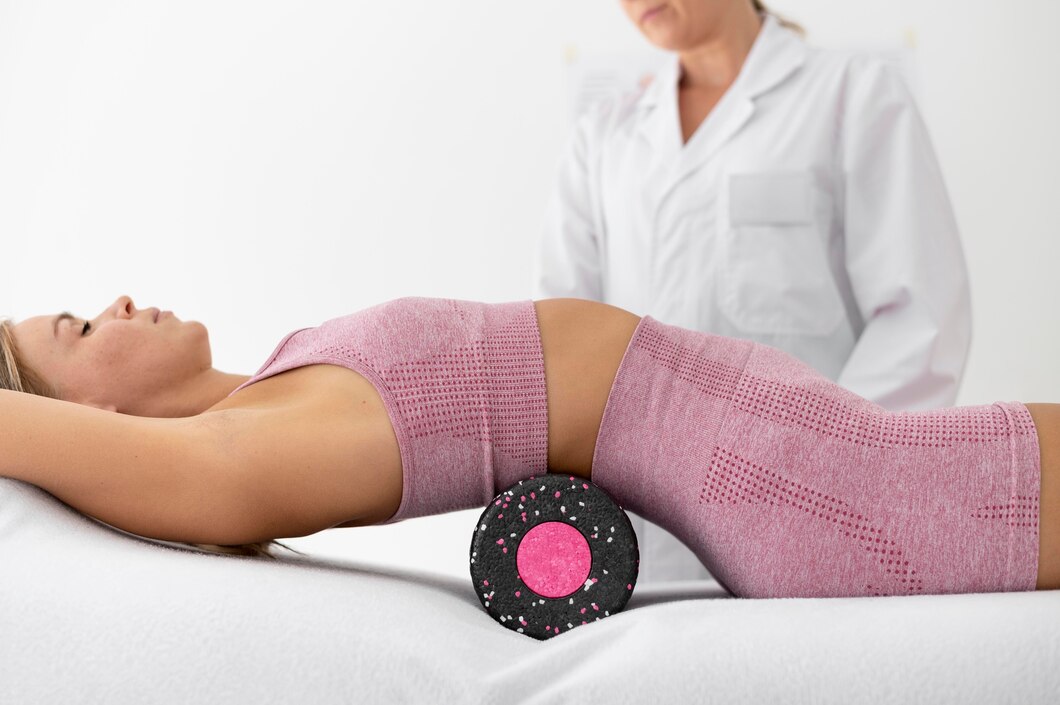
Lymphatic drainage transforms our patients’ health, with 83% of them noticing a significant improvement after their sessions. At Hello Soins, we observe every day how this gentle therapeutic technique, developed in the 1930s by Dr. Emil Vodder, is revolutionizing the well-being of many people.
This lymphatic drainage massage method effectively stimulates the circulation of lymph, an essential fluid for our body. Indeed, its benefits are numerous: detoxifying the body, relieving stress, improving the appearance of the skin, particularly for cellulite, and contributing to muscle recovery after intense exertion. For optimal results, we generally recommend 1 to 2 weekly sessions during the intensive phase, followed by monthly maintenance.
Through our premium Hello Soins platform, we make access to these alternative treatments easier and support both practitioners and patients throughout their health journey. In this article, we explore together the fundamental principles and multiple benefits of lymphatic drainage for your overall well-being.
What is lymphatic drainage?
Lymph, this whitish liquid that looks like milk, circulates throughout our body through a vast network of vessels parallel to the blood system. With 6 to 8 liters present in our body, it plays a fundamental role in our health. Lymphatic drainage is precisely a massage technique designed to stimulate and improve the circulation of this lymph when it becomes sluggish.
Simple definition and role of lymph
Lymphatic drainage brings together a set of gentle massage techniques aimed at harmoniously circulating lymph throughout the body. This method uses pressure and pumping movements that mimic the muscle contraction naturally responsible for moving lymph.
Lymph plays several vital roles in our body. Indeed, first and foremost it performs a cleansing function by transporting waste, bacteria, and damaged cells. In addition, it actively participates in our immune defense by carrying lymphocytes, those white blood cells essential for protection against outside threats. Thus, lymph also contributes to the transport of nutrients, hormones, and lipids absorbed in the digestive tract.
Origin of the method by Dr. Vodder
It was in the 1930s that Dr. Emil Vodder, a Danish biologist, developed this technique. Based in Cannes with his wife Astrid, he worked as a masseur on the French Riviera. While treating patients suffering from “chronic colds,” he noticed that they often had swollen lymph nodes. He then had the intuition to create a gentle massage method targeting these areas.
The Vodder method was officially presented in Paris in 1936 during an exhibition called “health and beauty,” where it met with great success. However, it is important to note that Dr. Vodder held a doctorate in philosophy and not in medicine.
Difference from other types of massage
Unlike classic massages, lymphatic drainage is characterized by particularly gentle and superficial movements. The movements are slow, rhythmic, and precisely follow the direction of lymphatic circulation.
Two main methods stand out today. The Vodder method, entirely manual, relies on circular movements with varying pressure targeting the lymphatic collectors. The method of Dr. Albert Leduc, for its part, combines manual massage and the use of pressotherapy devices, giving greater emphasis to pumping techniques.
More recently, the Brazilian Renata França method has emerged as a more dynamic alternative. It stands out through fast, firm movements, unlike the more traditional slower and gentler approach.
The benefits of lymphatic drainage for body and mind
Lymphatic drainage sessions offer a multitude of benefits for our body and mind. This therapeutic method does not merely stimulate circulation; it acts as a true ally for our overall health.
Improvement of blood and lymphatic circulation
Lymphatic drainage promotes the flow of lymph and stimulates blood circulation. People suffering from circulatory problems notice a clear improvement after each session. Indeed, this technique helps decongest tissues and optimizes the transport of nutrients and oxygen to cells.
Detoxifying and anti-inflammatory effect
Through its direct action on the lymphatic system, this massage promotes the elimination of toxins that pollute our body. Lymph carries metabolic waste and bacteria out of the lymphatic system, thus helping maintain a healthy balance. Moreover, by properly draining the lymph, we strengthen our immune system and reduce inflammation.
Reduction of water retention and edema
The gentle yet rhythmic movements of drainage help evacuate excess water contained in the body, particularly in the lower limbs. This results in reduced swelling and a feeling of lightness. Some people even lose a few centimeters in a single session.
Support for muscle recovery
Athletes often turn to lymphatic drainage because it facilitates the elimination of waste accumulated during exertion. This technique speeds up the evacuation of macromolecules, combats inflammation linked to repeated microtraumas, and reduces muscle excitability. Thus, it promotes faster recovery and reduces soreness.
Improvement in skin appearance
The repeated movements of the massage make the skin more toned and firmer. By improving circulation, lymphatic drainage also contributes to better oxygenation of skin tissues, which promotes cell regeneration. In addition, it helps reduce the orange-peel appearance by acting on cellulite.
Relief from stress and fatigue
Lymphatic drainage provides deep relaxation. Unlike traditional massage, which relaxes immediately, it offers a feeling of well-being that develops after the session. To maximize these effects, it is recommended to rest after the treatment and drink plenty of water to help eliminate the released toxins.
The different lymphatic drainage techniques
To obtain all the benefits of lymphatic drainage, different methods have been developed over time. These techniques, manual or mechanical, share the same objective but differ in their application.
Manual massage: principles and steps
Two main methods dominate manual lymphatic drainage practice. The Vodder method, entirely manual, consists of evacuating lymph through circular hand movements with varying pressure. The Leduc method, for its part, combines manual technique and pressotherapy.
A typical manual lymphatic drainage session generally lasts between 45 and 90 minutes. The patient lies on a massage table, partially undressed, with only the area to be treated exposed. The practitioner usually begins with the neck region, then the abdomen, before continuing with the limbs. The movements are slow and rhythmic, alternating between light and more intense pressure, always in the direction of lymphatic flow.
Use of devices: pressotherapy and alternatives
Pressotherapy is the main mechanical alternative to manual drainage. This technique uses inflatable accessories (boots, sleeves, or belts) that apply sequential or continuous pressure to different parts of the body.
The pressotherapy device works thanks to air cells that inflate and deflate alternately, mimicking the practitioner’s hands. A session generally lasts between 20 and 40 minutes. According to a study conducted with the Francophone Association of Lymphology, 64% of the practitioners surveyed consider pressotherapy results to be good to very good.
Choosing between manual and mechanical methods
The choice between these two approaches depends on several factors. The manual method offers a level of personalization that cannot be mechanically reproduced. The therapist instantly adapts the technique to the body’s reactions during the session.
However, pressotherapy has the advantage of a perfectly consistent pressure level and rhythm throughout the treatment. Many practitioners also combine the two approaches, using manual drainage in addition to pressotherapy in 71% of cases.
Who is lymphatic drainage for?
Lymphatic drainage is intended for a wide variety of people, but certain profiles benefit particularly from it. At Hello Soins, we find that this therapeutic technique can provide solutions for several health and well-being concerns.
Common indications: cellulite, heavy legs, post-operative care
Lymphatic drainage massage shows its effectiveness in many situations. First, it greatly helps people suffering from heavy legs or water retention, especially during pregnancy or during long periods of immobility. In addition, it is an excellent complement to anti-cellulite treatments thanks to its action on circulation and toxin elimination.
In a post-operative context, particularly after cosmetic surgery such as liposuction, drainage speeds healing and reduces edema. Likewise, athletes find it a valuable ally for optimizing muscle recovery and preventing injuries.
Contraindications to know
Despite its many benefits, lymphatic drainage is not suitable for all situations. It is strongly discouraged in the case of active cancer, as it could promote the spread of cancer cells. Likewise, people suffering from acute infections, thrombosis, or phlebitis should avoid this practice.
Caution is also required during the first three months of pregnancy, in the case of severe heart failure, or significant kidney problems. Before beginning sessions, a prior medical consultation is therefore strongly recommended.
Recommended session frequency
To achieve optimal results, we generally suggest an initial series of 6 to 10 sessions at a rate of 1 to 2 per week. Afterwards, monthly maintenance is usually enough to maintain the benefits gained.
However, the ideal frequency varies according to specific needs: someone treating post-operative edema will require more intensive follow-up than someone simply looking to improve their overall well-being. On our Hello Soins platform, our qualified practitioners establish a personalized program adapted to each particular situation.
Conclusion
In summary: lymphatic drainage, an essential ally for well-being
Lymphatic drainage is undoubtedly a therapeutic technique with multiple virtues for our overall health. Throughout this article, we have explored its fundamental principles and numerous benefits. This method, developed by Dr. Vodder in the 1930s, has certainly proven its effectiveness over time.
The benefits of lymphatic drainage extend far beyond simple circulatory improvement. Indeed, this practice contributes significantly to detoxifying the body, relieving edema, aiding muscle recovery, and even improving skin appearance. In addition, its soothing effect on stress and fatigue makes it a true asset for our psychological balance.
Nevertheless, it should be remembered that, despite its many advantages, lymphatic drainage is not suitable for all situations. Thus, certain contraindications exist and deserve special attention before beginning sessions.
At Hello Soins, we facilitate connections between patients and qualified lymphatic drainage practitioners. Our premium platform not only makes it easy to book appointments, but also provides personalized follow-up thanks to our integrated messaging service. Practitioners, for their part, benefit from optimized schedule management and greater visibility to grow their patient base.
Lymphatic drainage is therefore a complete therapeutic approach which, when practiced regularly and by expert hands, truly transforms our daily well-being. If you would like to incorporate this practice into your care routine, do not hesitate to consult our platform to find the practitioner who can precisely meet your specific needs.