
Micronutrition
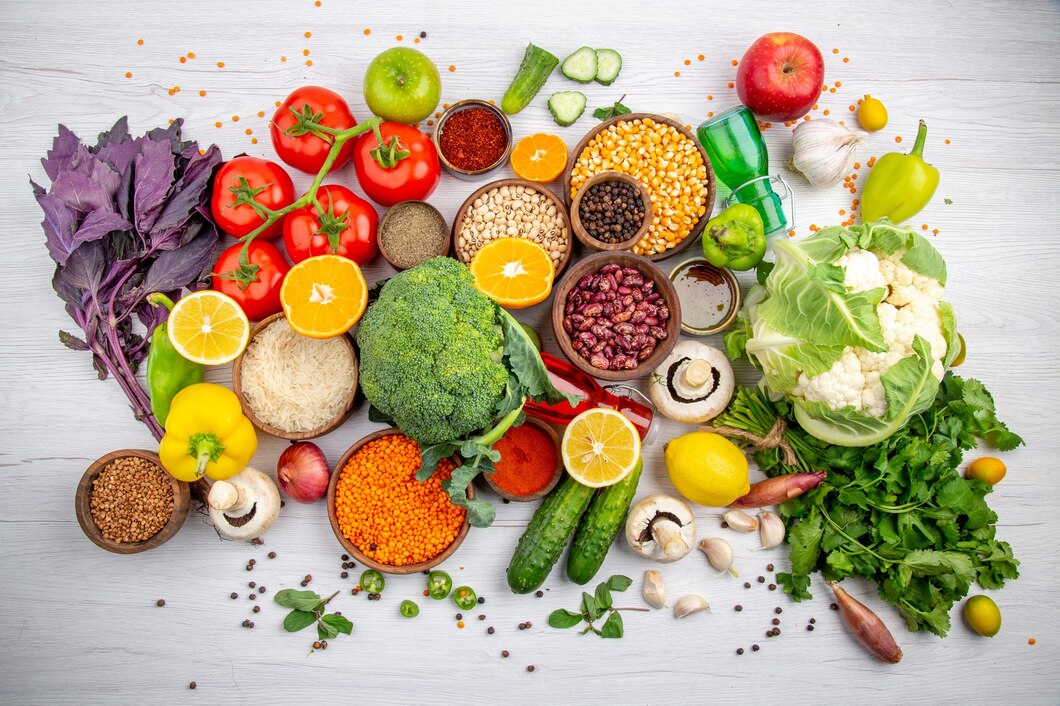
Micronutrition has been transforming the health of many patients since the 1990s, with 79% of those consulted reporting a noticeable improvement in their well-being. This medical approach, now supported by many professionals, establishes a direct link between our diet and our physical and mental health.
But what exactly is micronutrition? It is an approach that addresses micro-deficiencies in essential elements such as vitamins, trace elements, fiber, and essential fatty acids. Unlike conventional nutritional approaches, it is based on the principle that every individual is unique, with different metabolic needs and health conditions.
In this article, we explore the fundamental principles of micronutrition and its benefits for various health issues. We will also see how this approach can improve digestion, support weight loss, regulate mood and sleep, and even optimize athletic performance. At Hello Soins, we make it easy to connect with specialized practitioners who can support you in this personalized approach to your well-being.
What is micronutrition?
First of all, let’s clearly talk about this fascinating field that is micronutrition. Unlike conventional diets that focus solely on calories, this approach looks at what our body actually uses to function every day.
Simple and accessible definition
Micronutrition is a scientific discipline that studies the impact of micronutrients on our health. It analyzes how these small nutrients influence our bodies and seeks to correct imbalances in order to optimize our well-being. Unlike traditional nutrition, which mainly focuses on the amounts of food, micronutrition concentrates on their quality and precise composition.
This approach was born from a simple observation: even with an apparently balanced diet, we can suffer from subtle deficiencies that, without being illnesses, affect our energy, mood, and resilience. Micronutrition therefore aims to identify these imbalances and correct them in a personalized way.
Difference between macro and micronutrients
Macronutrients are the major components of our diet: proteins, fats, and carbohydrates. We consume them in large quantities (several dozen grams per day), and they provide the energy necessary for our body.
Micronutrients, on the other hand, are present in tiny amounts in our diet, but their role is just as crucial. They include:
-
Vitamins (A, B, C, D, E, K)
-
Minerals (calcium, magnesium, iron, zinc)
-
Trace elements (copper, selenium, chromium)
-
Essential fatty acids (omega-3, omega-6)
-
Antioxidants and polyphenols
-
Essential amino acids
Although present in small quantities, these elements are essential because our body cannot produce them on its own.
Why these nutrients are essential
Micronutrients play a fundamental role in almost all biological functions. For example, vitamin D is essential for calcium absorption and maintaining a high-performing immune system. Magnesium, for its part, is involved in more than 300 enzymatic reactions in our body.
Without these precious allies, our body simply could not function properly. They are involved in energy production, cellular protection, tissue regeneration, brain and hormonal function, as well as in our immune defenses.
Unlike medications that target symptoms, micronutrition addresses the root causes of imbalances. It considers each individual as unique, with specific needs related to lifestyle, age, environment, and genetic heritage.
The main principles of micronutrition
The practice of micronutrition is based on several fundamental principles that distinguish it from conventional nutritional approaches. This discipline, initiated in the 1990s by Dr. Leclerc, offers an innovative vision of health through food.
Individualized approach according to metabolism
At the heart of micronutrition is the principle that every person is unique. Our needs vary considerably depending on our genetic heritage, metabolism, and lifestyle. These needs are also influenced by environmental factors such as pollution, smoking, or alcohol, as well as by certain specific physiological states such as pregnancy.
This personalized approach recognizes that what suits one person may not work for another. Consequently, micronutritional recommendations are always adapted to each individual’s specific profile, unlike generic nutritional advice.
Role of the initial assessment and questionnaires
To establish an accurate micronutritional profile, an in-depth initial assessment is essential. This assessment may include several complementary tools:
-
The Medical Health Questionnaire (QMS), which evaluates five key functions of the body: cellular protection, cellular communication, digestive interface, brain function, and cardiometabolic profile
-
The Functional Food Questionnaire (QAF), which analyzes eating habits and their impact on these same functions
At the same time, specific biological tests may be recommended to precisely identify micronutritional deficiencies or imbalances. Comparing the results of the QMS and QAF is particularly insightful, making it possible to establish links between symptoms and eating habits.
Link between diet and quality of life
Micronutrition establishes a direct relationship between our diet and our daily well-being. It identifies how micronutritional imbalances can affect mood, digestion, sleep, and energy.
By correcting these imbalances, the goal is to sustainably improve quality of life. Platforms like Hello Soins make it easier to access practitioners trained in this approach, capable of supporting each person in this personalized health process.
Thus, micronutrition does not merely treat symptoms, but seeks to optimize the overall functioning of the body by adapting to the specific needs of each individual.
Concrete applications for well-being
The applications of micronutrition are vast and affect many aspects of our everyday health. Let’s discover together how this approach can concretely improve our well-being.
Improving digestion
Digestive disorders such as bloating, constipation, or diarrhea can be alleviated through a targeted micronutritional approach. Digestive enzymes play a fundamental role by breaking down food into nutrients that are easily assimilated. At the same time, certain micronutrients such as L-glutamine help restore the intestinal mucosa, while probiotics balance our gut flora. Several factors can disrupt digestion: an unbalanced diet, insufficient chewing, chronic stress, or medications such as antibiotics.
Supporting weight loss
Micronutrition offers a different perspective on slimming down. Unlike restrictive diets, its goal is not rapid but lasting weight loss. Certain micronutrients are particularly important in this process. Magnesium helps manage stress, which can trigger overeating. In addition, vitamin D deficiencies increase body fat percentage by disrupting the production of leptin, the satiety hormone. For effective weight management, it is also essential to support the liver, the central organ of metabolism.
Regulating mood and sleep
Quality sleep and stable emotional balance are closely linked to our micronutritional status. Tryptophan, a precursor to serotonin and then melatonin (the sleep hormone), is found in fish, eggs, and legumes. Magnesium and B vitamins are also essential for synthesizing these neurotransmitters that regulate mood. To promote good sleep, it is recommended to consume these nutrients at dinner while avoiding stimulating foods such as coffee or alcohol.
Optimizing athletic performance
Athletes have increased micronutritional needs. Their bodies draw heavily on antioxidant vitamin reserves to counteract the oxidative stress generated by exercise. Minerals such as calcium, magnesium, and potassium, lost in sweat, must be replenished. Omega-3 fatty acids contribute to the regulation of fundamental physiological processes and muscle recovery. Personalized supplementation may therefore be necessary to optimize performance and recovery.
Prevention of chronic disorders
Many micronutrients play a crucial role in preventing chronic diseases. For example, vitamins D and K, combined with calcium, reduce the risk of fractures. Vitamins B, C, and E protect against cognitive disorders. Omega-3s and vitamin D can reduce cardiovascular and diabetes risks. Nutrition is also recognized as one of the main modifiable factors involved in the development of the most common diseases, with around 1 in 5 deaths worldwide attributable to an unbalanced diet.
A practitioner specializing in micronutrition, accessible via Hello Soins, can support you in this personalized approach to optimize your daily well-being.
How to integrate micronutrition into everyday life
To fully benefit from micronutrition, it is essential to adopt a few simple everyday habits. These adjustments, though subtle, can significantly improve our overall well-being.
Basic dietary recommendations
First, favor a varied and balanced diet, rich in fruits, vegetables, whole grains, and quality proteins. This diversity ensures an intake of a maximum of nutrients and optimizes their absorption by the body. Indeed, vitamins and minerals are better assimilated when consumed in synergy.
In addition, adopt cooking methods that preserve nutrients. Steaming or braising is preferable to high-temperature cooking, which can destroy certain heat-sensitive vitamins. Slow and thorough chewing also allows food to be properly broken down, making nutrient absorption in the intestine easier.
Examples of micronutrient-rich foods
Here are some foods particularly rich in essential micronutrients:
-
Fruits and vegetables: citrus fruits (vitamin C), leafy green vegetables (calcium, iron, magnesium), carrots (carotene)
-
Nuts and seeds: almonds (vitamin E), Brazil nuts (selenium)
-
Fatty fish: salmon, mackerel, sardines (omega-3, phosphorus)
-
Legumes: lentils (iron, plant proteins, fiber)
-
Specific foods: kale (vitamins A, E, C, K, iron), banana (potassium, vitamins B6, B9)
Use of supplements if necessary
Although a varied diet is the foundation, certain situations make it difficult to achieve an optimal intake of micronutrients. Dietary supplements may then be considered in specific situations: confirmed deficiencies identified through testing, restrictive diets, chronic stress, or increased needs (pregnancy, intense athletic activity, convalescence).
However, it is important to note that over-supplementation can be counterproductive, or even harmful. In addition, certain supplements must be taken at specific times of the day or year to maximize their effectiveness.
Support from a practitioner via Hello Soins
Finally, for a personalized approach, support from a specialized practitioner is recommended. The Hello Soins platform makes it easy to connect with professionals trained in micronutrition who can offer you an initial assessment and recommendations tailored to your specific profile.
This premium service gives you access to the best appointment slots and personalized follow-up via direct chat with your practitioner. You will thus receive detailed nutritional, micronutritional, and lifestyle advice tailored to your specific needs.
Conclusion
Micronutrition is therefore much more than just a nutritional trend. It is a complete scientific approach that adapts to the specific needs of each individual. Throughout this article, we have explored how this discipline creates direct links between our diet and our overall health.
Indeed, micronutrients play a fundamental role in almost all of our biological functions. Unlike traditional approaches, micronutrition addresses the root causes of imbalances rather than mere symptoms. This holistic perspective makes it possible to significantly improve our digestion, support sustainable weight loss, regulate our mood and sleep, optimize our athletic performance, and even prevent certain chronic disorders.
Nevertheless, it is essential to remember that each person has unique metabolic needs. Therefore, a personalized approach is essential to obtain optimal results. A specialized practitioner can help you identify your specific needs and offer solutions adapted to your particular profile.
It is precisely with this in mind that Hello Soins facilitates connections with qualified micronutrition practitioners. Our premium platform offers you not only privileged access to the best appointment slots, but also personalized follow-up via direct chat with your practitioner. In this way, you benefit from comprehensive support to effectively integrate the principles of micronutrition into your daily life.
Ultimately, taking care of your health through micronutrition is not a temporary diet but rather a lasting investment in your well-being. Start today by paying attention to the small nutritional details that will make a big difference in your quality of life.