
Osteopathy
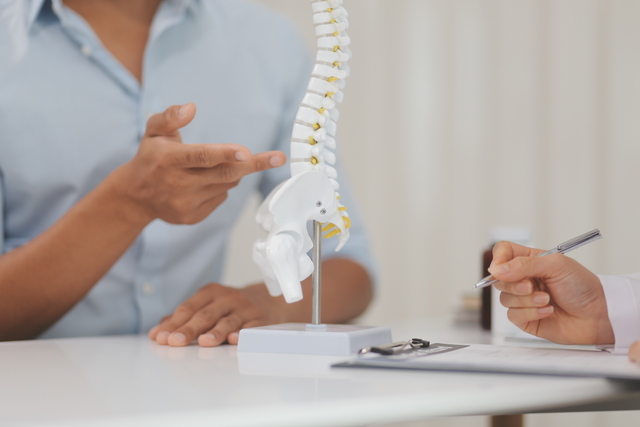
Did you know that 4 out of 5 people suffer from back pain at some point in their lives? Indeed, chronic pain affects millions of people each year, often persisting beyond three months and significantly impacting their quality of life. Osteopathy, according to the World Health Organization (WHO), is a therapeutic approach that uses touch to diagnose and treat these conditions.
These persistent pains can result from various causes, including old injuries, musculoskeletal disorders, or even osteoarthritis. In the face of these challenges, an osteopathy session offers a range of manual techniques, making it possible to treat this pain effectively while promoting blood and lymphatic circulation. In this article, we will explore how osteopathy can help relieve your chronic pain, the benefits of this practice, as well as the essential elements for choosing your osteopath well.
Understanding chronic pain and its impact on quality of life
Persistent pain is a daily challenge for nearly a third of the French population. Unlike a simple passing discomfort, it profoundly transforms the lives of those who suffer from it. Understanding this complex phenomenon makes it possible to better grasp therapeutic solutions such as osteopathy.
What is chronic pain?
Chronic pain is defined as pain that persists beyond three months or recurs regularly. Unlike acute pain, which serves as an alarm in the face of danger or injury, chronic pain no longer has this protective function. It becomes a true disease in its own right, recognized as such by the World Health Organization.
There are two main types: primary chronic pain, which occurs without a clearly identifiable cause (such as fibromyalgia), and secondary chronic pain, associated with underlying diseases or problems such as cancer or postoperative effects.
The different origins of persistent pain
The mechanisms behind chronic pain are varied. Some result from excessive nociceptive stimulation linked to inflammation or trauma. Others are neuropathic in origin, caused by damage to the nervous system. Finally, some pain is described as nociplastic, due to a dysfunction of the pain control systems.
This pain can appear following a chronic illness, surgery, an accident, or even without any apparent cause. In all cases, osteopathy offers a holistic approach that takes these different origins into account.
Psychological and social impact of chronic pain
The impact of chronic pain extends far beyond the physical sphere. According to the PainSTORY survey, 44% of patients feel alone in their struggle against pain and two out of three patients suffer from anxiety or depression. In addition, 28% of patients with chronic pain believe that the pain is sometimes so intense that they feel the urge to die.
On a social and professional level, 40% of patients suffering from chronic pain experience direct repercussions at work, sometimes leading to a change in responsibilities or activity. A person with chronic pain consults a healthcare professional an average of 14 times per year, which represents a significant cost for the healthcare system.
Through its holistic approach, osteopathy takes these psychological and social dimensions into account during a session, making care possible that is adapted to the complexity of chronic pain.
The fundamental principles of osteopathy in the face of pain
Osteopathy stands out for its unique vision of the human body and its method of analyzing pain. This manual therapeutic approach, originally developed by Andrew Taylor Still in 1874, is based on fundamental principles that make it possible to approach chronic pain from a different angle than conventional medical approaches.
The holistic approach to the body in osteopathy
Osteopathy considers the body as a dynamic functional unit where all parts are interconnected. This holistic vision is based on the principle that "structure governs function" and that "the unity of the human body" is fundamental to understanding the mechanisms of pain.
Unlike other medical approaches, the osteopath does not focus solely on the painful area, but analyzes the entire body to understand imbalances. As Sebastian Byrde, president of the Swiss Federation of Osteopaths, explains: "We take into account the patient's bio-psycho-social context and the interactions that may exist with their symptoms."
This holistic approach makes it possible in particular to:
-
Consider the links between body and mind
-
Take into account movement patterns and professional habits
-
Incorporate daily stress and ergonomics into the analysis
-
Observe the impact of diet on spinal pain
How osteopathy identifies the root causes of pain
In osteopathy, "pain does not necessarily come from where it is expressed." For example, back pain may be linked to a loss of digestive mobility, while a painful wrist may signal a blockage in the neck.
To identify these underlying causes, the osteopath uses the specific osteopathic diagnosis (SOD), which makes it possible to determine the different origins of pain. This process includes:
-
A detailed history of medical background and lifestyle habits
-
A thorough examination of the body's static posture and movement
-
An exploration of postures that trigger pain
-
A qualitative and quantitative assessment of tissues (ligaments, muscles, joints)
The mechanical strain exerted on a painful area may be increased by distant factors such as functional colitis, abdominal ligament tension, visceral scars, or the after-effects of previous accidents and trauma. Moreover, it is not uncommon to consult for back pain and be relieved by the osteopathic correction of a foot or a stomach.
Thus, osteopathy offers a unique perspective on chronic pain, systematically seeking out dysfunctions that impair the body's mobility, often invisible to conventional medical examinations.
The course of an osteopathy session for chronic pain
When you make an appointment with an osteopath for chronic pain, it is useful to understand how a session unfolds so you can prepare for it. The osteopathic consultation follows a precise protocol aimed at identifying and treating the root causes of your pain.
The first consultation: assessment and diagnosis
The first osteopathy session begins with an in-depth interview. The osteopath asks about your medical and surgical history, the medications you take, as well as major life events that could have an impact on your tissues. This detailed history allows the patient's "tree of life" to be traced and links to be established between past conditions and the current reason for consultation.
Next, your osteopath carries out a physical examination with targeted tests to assess your mobility and identify somatic dysfunctions. Through their holistic approach, they examine not only the painful areas but the entire body to identify places with reduced mobility. This phase of observation and palpation is fundamental because, as Rollin Becker said, "only the tissues know."
The manual techniques used
For chronic pain, the osteopath generally favors gentler, less invasive techniques. Treatment may target three major systems: musculoskeletal, cranial, and visceral. Osteo-articular manipulations aim to improve mobility, while myofascial release techniques reduce muscle tension and inflammation.
The goal of these manipulations is to restore balance and mobility to the body as a whole. This improvement in mobility helps not only to make movement easier, but also to reduce discomfort felt in everyday life.
Session length and frequency
An osteopathy session generally lasts between 30 and 45 minutes, depending on the reason for the visit and the practitioner's experience. For chronic pain, several consultations are often necessary, because beyond three months, a single session is generally not enough.
As for the interval between appointments, it varies according to the nature of the pain. For acute pain, a second session may be recommended within 10 days. By contrast, for chronic pain such as osteoarthritis or neck pain, it is advisable to space sessions about 3 weeks apart. This delay allows the body to integrate and adapt to the changes made during treatment.
Ultimately, the osteopath establishes a personalized treatment plan with you, determining the necessary frequency of appointments to maintain a satisfactory quality of life.
The benefits of osteopathy for different types of pain
Osteopathy offers a manual approach adapted to various persistent pains. The effects of this therapy vary depending on the nature and origin of the pain, but often provide significant relief for several common conditions.
Relief of lower back and neck pain
The cervical spine, a particularly mobile area, often compensates for blockages in the thoracic spine. For neck pain, the osteopath first works on the thoracic spine and the shoulder girdle to relieve the cervical spine of its strain. This indirect approach makes it possible to release muscular tension, particularly in the trapezius, which is frequently painful.
With regard to lower back pain, osteopathy helps reduce the tensions present in the affected area, then restores the body's overall balance to prevent these tensions from returning. However, a recent study published in JAMA Internal Medicine shows that the effect of osteopathic manipulations on chronic low back pain would be modest compared with placebo manipulations.
Treatment of migraines and chronic headaches
Migraine, which affects around 15% of adults and 5% of children, particularly benefits from osteopathic techniques. Treatment mainly aims to restart cranial blood circulation. Indeed, by stimulating the vascular network, the osteopath reduces tension and decreases the frequency of headaches.
From the first session, patients generally notice a significant increase in the spacing between migraine attacks. The osteopath also looks for blocked joints that may cause these pains and uses cranial techniques to balance the nervous system.
Management of joint pain
Osteopathy has proven effective for musculoskeletal disorders (MSDs), which account for 87% of occupational diseases according to Social Security. These conditions affect all joints: shoulders, elbows, wrists, hips, knees, and feet.
Joint rebalancing techniques improve posture and relieve pain, while cranial techniques reduce the effects of stress. In addition, for osteoarthritis, osteopathy aims to soothe pain, reduce functional discomfort, and improve quality of life.
Support for pain related to fibromyalgia
Fibromyalgia, affecting 1.4% to 2.2% of the population, requires a multidisciplinary approach. Osteopathy is effective in this context by using gentle techniques.
Osteopaths favor tissue, fascial, and craniosacral techniques to rebalance the nervous system and act on pain intensity. A randomized pilot study also revealed that patients receiving osteopathic and drug treatment for fibromyalgia achieved better results than those receiving medication alone.
How to choose an osteopath and prepare for your appointment
Choosing a good osteopath is a crucial step in ensuring the effectiveness of your treatment for chronic pain. Knowing which criteria to consider and how to prepare for your consultation can make all the difference in your therapeutic journey.
Criteria for selecting a qualified practitioner
First and foremost, check that the osteopath holds a diploma recognized by the Ministry of Health (DO - Diploma of Osteopathy). This certification guarantees complete training including at least 3,360 hours of theoretical training and 1,500 hours of practical training. The quality of the training is a determining factor in choosing your practitioner.
Also examine the professional's reputation. The reviews you can find online are generally representative of the quality of the osteopath. In addition, the length of consultations is an important indicator - a session should last between 30 and 45 minutes at minimum to be truly effective.
A good osteopath must master different techniques and adapt them to your specific needs, rather than systematically applying the ones they prefer to practice. Also, check whether the practice complies with essential hygiene standards.
Questions to ask at the first appointment with an osteopath
At your first contact, do not hesitate to ask the osteopath about their experience with your type of pain. Also ask what their therapeutic approach will be and how many sessions they estimate will be necessary.
It is also wise to ask about the fees charged, which generally range between 50 and 80 euros. Note that osteopathy is not reimbursed by Social Security, but many mutual insurance plans offer partial or full coverage of sessions.
How to prepare for your consultation
To optimize your session, gather all relevant medical documents in advance (X-rays, test results, reports). Also prepare a detailed list of your medical history and current symptoms.
As for what to wear, opt for comfortable, loose-fitting clothing. Although you may need to be in your underwear for certain examinations, know that a good osteopath will always respect your comfort and will not force you to do so if it makes you uncomfortable.
Finally, give yourself a break for your appointment: avoid scheduling it between two stressful obligations. Ideally, turn off your mobile phone during the consultation so you can fully relax and therefore benefit from greater treatment effectiveness.