
Physiotherapy
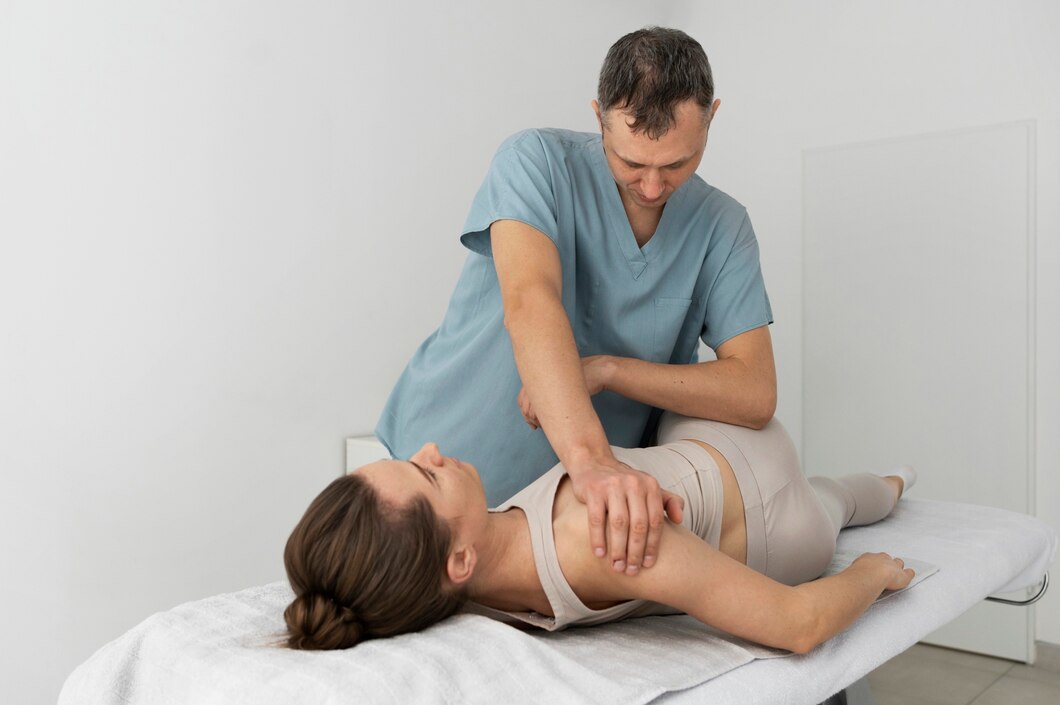
Physiotherapy is enjoying growing success in France, notably because of the aging population. In 2022, our country had nearly 97,790 registered massage therapists-physiotherapists, with a profession that is becoming increasingly feminized (51.4% women versus 48.6% men).
The benefits of physiotherapy are numerous and scientifically proven. Indeed, this paramedical discipline, regulated since 1946, helps improve blood and lymphatic circulation, relieve pain without medication, and recover complex joint movements. Moreover, it plays an essential role in functional rehabilitation and the return to everyday life for many patients.
At Hello Soins, we observe that physiotherapy is particularly effective for various conditions: musculoskeletal problems, neurological diseases, and respiratory conditions. Moreover, respiratory physiotherapy proves particularly beneficial in helping patients clear pulmonary secretions, especially in infants.
In this article, we will explore together the fundamental principles of this discipline, its different techniques, as well as its many benefits for your daily well-being.
The basics of physiotherapy: definition and objectives
The term "physiotherapy" comes from the Greek words "kinesis" (movement) and "therapeuein" (to treat), literally "to treat through movement." This health discipline is centered on movement and human activity at all ages of life. It aims to prevent the deterioration of functional abilities, help maintain them, and, when they are impaired, restore them or compensate for them.
A regulated paramedical discipline
In France, physiotherapy is a paramedical profession strictly governed by the Public Health Code. To practice legally, it is mandatory to hold the State diploma of massage therapist-physiotherapist and to be registered with the Order of Massage Therapists-Physiotherapists. This Order, established by the Public Health Law of August 9, 2004, ensures compliance with the ethical and professional rules specific to the profession.
Current training consists of 5 years of study: one preparatory year followed by four years of specialized training. This in-depth education makes it possible to acquire an excellent knowledge of human anatomy and biomechanics, as well as the respiratory, cardiovascular, musculoskeletal, and neurological systems.
The physiotherapist's missions
The massage therapist-physiotherapist works in three main areas: prevention, physiotherapeutic diagnosis, and treatment.
In the therapeutic field, based on the medical prescription, the practitioner assesses the capacities and impairments of their patients. They then establish, together with them, objectives and propose an adapted rehabilitation program. Their scope of practice is particularly broad and notably includes:
-
Neurological diseases
-
Traumatic disorders of the musculoskeletal system
-
Respiratory and cardiovascular disorders
-
Balance and vestibular disorders
-
Perineal and postnatal rehabilitation
In addition, the physiotherapist also participates in public health actions, notably in the fight against smoking, since they can prescribe nicotine replacement therapies.
Differences with other practices such as osteopathy
Although some indications overlap, notably for chronic pain such as back pain, physiotherapy differs from osteopathy in several fundamental ways.
First, physiotherapy is recognized as a health profession by the State, unlike osteopathy, which is not governed by the Health Code. As a result, physiotherapy treatments can be reimbursed by Health Insurance when prescribed by a doctor.
Second, the approach differs: physiotherapy is considered more "technical" and targeted, while osteopathy adopts a more "holistic" view of the body. The physiotherapist works specifically on pathologies affecting movement, whereas the osteopath seeks manipulations aimed at restoring overall bodily balance.
Finally, the physiotherapist uses a more diverse therapeutic arsenal, including massage, active exercises, physiotherapy, and medical technology, often over several sessions, while osteopathy focuses mainly on manual manipulations.
Who is physiotherapy for?
Physiotherapy is aimed at a very diverse clientele, addressing the therapeutic needs of many types of patients. This versatile discipline adapts to the specificities of each individual, regardless of age or physical condition.
Children, adults, and older people
Children benefit from physiotherapy especially for motor development disorders, deformities (such as congenital torticollis or plagiocephaly), and respiratory conditions like bronchiolitis. For adolescents, it is particularly indicated in the treatment of scoliosis and postural disorders linked to growth.
Adults are, of course, a significant share of patients, mainly for musculoskeletal problems such as lower back pain, neck pain, or tendinitis. Moreover, physiotherapy plays an essential role in preventing disorders linked to certain occupations (screen-based work, physically demanding jobs).
As for older people, they find in this discipline a valuable ally for maintaining their independence. Indeed, physiotherapy helps prevent falls, maintain joint mobility, and preserve muscle strength, thus contributing to a better quality of life on a daily basis.
Post-operative patients or those in rehabilitation
After surgery (orthopedic, cardiac, or abdominal), physiotherapy proves essential for recovering functional abilities. It first helps combat immobility and its consequences, then gradually restores strength and joint range of motion.
Likewise, people who have suffered strokes, head injuries, or other neurological conditions greatly benefit from adapted rehabilitation to recover motor functions and independence as much as possible.
Pregnant women and new mothers
During pregnancy, physiotherapy offers valuable support by relieving lower back pain and circulatory disorders and by preparing the perineum for childbirth.
After birth, sessions make it possible to effectively treat various post-partum disorders: diastasis recti, urinary incontinence, pelvic pain. This perineal rehabilitation greatly helps restore tone and comfort in this new stage of life.
At Hello Soins, we facilitate connections between patients and qualified physiotherapists for all these different needs.
Techniques used in physiotherapy
When it comes to therapeutic care, physiotherapy offers a range of techniques adapted to each patient. These methods, developed over the years, are based on rigorous scientific principles and are continually enriched by technological advances.
Passive physiotherapy: massage, stretching, mobilization
Passive physiotherapy is characterized by the absence of voluntary motor participation by the patient. In this approach, the therapist performs the movements alone, while the patient remains relaxed. The main goal is to reduce pain, restore mobility, and thus improve functional abilities.
Among passive techniques, we find:
-
Massage in various forms: effleurage, kneading, friction, and static pressure
-
Joint mobilization to maintain or improve range of motion
-
Muscle stretching to prevent contractures
These methods often prepare the ground for more active techniques by reducing muscle tone and improving blood and lymphatic circulation.
Active physiotherapy: exercises and functional rehabilitation
By contrast, active physiotherapy places the patient as the main actor in their recovery. It includes specific exercises adapted to each issue and physical condition. This approach helps speed up the healing process while strengthening muscles and restoring flexibility.
Active rehabilitation may include:
-
Targeted muscle-strengthening exercises
-
Coordination and balance techniques
-
Yoga postures or Pilates exercises
-
Functional exercises reproducing everyday situations
This method contributes significantly to preventing relapses and improving quality of life.
Respiratory and vestibular physiotherapy
Respiratory physiotherapy is structured around two main goals: bronchial clearance and respiratory rehabilitation. It uses manual and instrumental techniques to improve lung function and clear the airways.
At the same time, vestibular physiotherapy treats balance disorders and vertigo. It relies on specific exercises and equipment such as videonystagmoscopic glasses or a rotating chair to rehabilitate the vestibular system.
Use of devices and modern technologies
Today, practice is enriched by numerous technological innovations. Devices such as electrotherapy, cryotherapy, or exoskeletons effectively complement traditional manual techniques.
In addition, new technologies such as virtual reality or artificial intelligence are revolutionizing rehabilitation by offering personalized programs and precise tracking of progress. These tools increase patient engagement and optimize therapeutic outcomes.
At Hello Soins, we connect patients with physiotherapists who master these different techniques for comprehensive and personalized care.
The benefits of physiotherapy for well-being
Beyond its therapeutic aspect, physiotherapy contributes significantly to daily well-being. Its benefits, both physical and psychological, make it a particularly appreciated holistic health approach.
Pain relief without medication
Physiotherapy presents itself as an effective alternative to medication-based treatments for managing pain. Indeed, unlike painkillers, which only temporarily mask symptoms, it acts directly on the causes of muscle and joint pain. This non-drug approach avoids undesirable side effects while offering lasting results.
In the medium and long term, the exercises practiced in active physiotherapy deliver excellent results, especially for persistent back pain. Moreover, manual and instrumental techniques such as therapeutic massage provide immediate relief from accumulated tension.
Improvement of mobility and posture
Good posture is essential to preserving our health. Physiotherapy helps correct postural defects and considerably improves quality of life. Thanks to targeted exercises, it makes it possible to:
-
Reduce excessive muscle tension in the back, shoulders, and neck
-
Improve breathing capacity by opening the airways
-
Prevent chronic back and neck pain
Stretching and targeted muscle strengthening also help maintain optimal joint mobility, particularly beneficial for preventing falls in older people.
Reduction of stress and muscle tension
Stress often manifests physically as muscle tension. Physiotherapy addresses this vicious circle by acting on both physical symptoms and their psychological impact. Therapeutic massage and gentle mobilizations promote an immediate sense of relaxation, while respiratory physiotherapy helps better control breathing, thus calming the nervous system.
Neuromuscular relaxation, a technique derived from the work of Edmund Jacobson, consists of a succession of contractions followed by muscle release. This method proves particularly effective in reducing anxiety and improving sleep quality.
Recovery after trauma or illness
After an injury or surgery, functional rehabilitation makes it possible to gradually recover abilities. It aims to correct all deficits linked to the condition (pain, stiffness, loss of muscle strength, functional difficulties). Thus, trauma physiotherapy significantly helps restore independence and resume daily activities in the best possible conditions.
Strengthening self-confidence
By regaining better mobility and learning to better manage their symptoms, the patient gains autonomy and confidence. This renewed independence actively contributes to better emotional balance and strengthens self-confidence, an essential element of overall well-being.
At Hello Soins, we make it a point of honor to connect you with qualified physiotherapists so you can benefit from all these advantages through our premium platform.
Conclusion
Physiotherapy undoubtedly represents an essential therapeutic discipline in our modern healthcare system. Throughout this article, we have explored its many facets, from its fundamental principles to its concrete benefits for our daily well-being.
We can see that this paramedical approach offers far more than a simple response to pain. It is, in fact, a comprehensive solution that treats both symptoms and their underlying causes. The varied techniques - from massage to active exercises, including respiratory therapies and the use of modern equipment - make precise personalization of care possible according to each condition and each patient.
The benefits of physiotherapy also extend beyond the purely medical framework. Thus, it considerably improves quality of life by enhancing mobility, correcting posture, and reducing stress. For people in convalescence, it speeds up the healing process while preventing future complications.
Moreover, physiotherapy adapts remarkably well to all ages and conditions: children suffering from respiratory disorders, adults stressed by work, athletes in recovery, pregnant women, or older people wishing to preserve their independence.
At Hello Soins, we are committed to facilitating your access to this essential care. Our premium platform connects you with qualified physiotherapists, thus offering you the best possible appointment slots and personalized follow-up via our integrated chat service. Practitioners, for their part, benefit from increased visibility and effective management tools to grow their patient base.
Health is our most precious asset. Consequently, choosing suitable physiotherapy support is a wise investment in your present and future well-being. Do not wait for pain to become long-lasting - preventive physiotherapy remains, after all, the best approach to keeping your body healthy in the long term.