
Herbal medicine
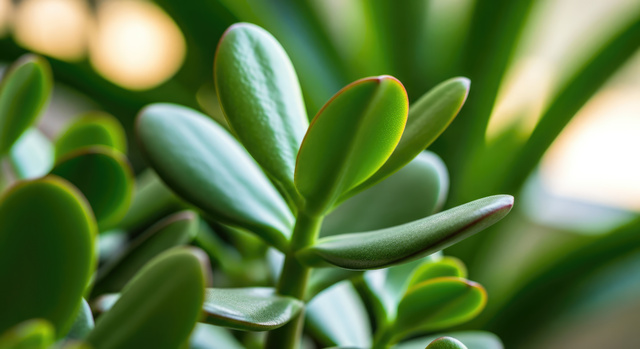
Phytotherapy has existed for millennia, with the first known compendium of medicinal plants, the Ebers Papyrus, dating back to 1500 BC and listing several hundred plants. Yet, of the 22,000 medicinal plants identified by the World Health Organization, only 2,000 to 3,000 have been the subject of in-depth scientific studies.
Today, phytotherapy is experiencing a true revival in France, where nearly half the population is in favor of it, provided they are guided by a specialist. Indeed, this plant-based medicine has been officially recognized by the French Ministry of Health since the 1980s. What is particularly interesting is that three-quarters of minor ailments could potentially be treated with natural products.
In this article, we will explore the fundamental principles of this discipline, its different forms of application, as well as its many benefits for the immune system, sleep, joint pain, digestion, and cognitive functions. We will also address the essential precautions for safe and effective use.
Understanding phytotherapy and its foundations
Definition and origin of the word
The term "phytotherapy" has its roots in Ancient Greek, where "phytos" means "plant" and "therapeia" evokes the idea of "treatment" or "care." This discipline is therefore defined as the art of healing with plants. It was the French physician Henri Leclerc who introduced this term in the first half of the 20th century, and he is considered, along with the German physician Rudolf Fritz Weiss, to be a pioneer of modern phytotherapy.
In practice, phytotherapy refers to the therapeutic use of substances of plant origin to prevent or treat various conditions. It is part of a millennia-old tradition in which knowledge has been passed down and enriched over generations, making it one of the oldest forms of medicine in the world.
Difference between phytotherapy and aromatherapy
Although often confused, phytotherapy and aromatherapy have fundamental differences. Aromatherapy, a term coined in 1936 by the Lyon chemist R.M. Gattefossé, is in fact a specific branch of phytotherapy.
While phytotherapy uses the plant in its entirety or certain parts (roots, leaves, flowers) in various dosage forms such as herbal teas or capsules, aromatherapy focuses exclusively on essential oils extracted from plants. To illustrate this difference, let us take a concrete example: treating a bronchial condition with a syrup based on eucalyptus tincture falls under phytotherapy, whereas using eucalyptus essential oil capsules for the same condition is part of aromatherapy.
Moreover, aromatherapy requires greater precautions in use because of the high concentration of active compounds in essential oils.
Why such a strong comeback today?
After a temporary decline at the end of the 19th century with the rise of modern chemistry and the discovery of antibiotics, phytotherapy is now experiencing a significant resurgence of interest. Nearly one in two French people is favorable to this approach, provided they consult a specialist.
This comeback is explained in particular by a certain disillusionment with synthetic drugs and a growing search for more natural solutions. Phytotherapy was moreover officially recognized by the French Ministry of Health as a medicine in its own right in the 1980s.
The appeal of this method also rests on its exceptional tolerance, making it possible to avoid certain side effects associated with synthetic drugs. In addition, the standardization of extracts and scientific advances have helped modernize this age-old practice, making it more credible in the eyes of the general public and the medical community.
The main forms of phytotherapy
Phytotherapy comes in various dosage forms, each allowing the active compounds of plants to be extracted and used according to specific methods.
Herbal teas, infusions, and decoctions
Herbal teas are the most traditional form of using medicinal plants. Infusion is particularly suitable for delicate parts such as flowers and tender leaves. It is prepared by pouring simmering water (80-90°C) over the plant and letting it steep for 5 to 10 minutes. By contrast, decoction is used for harder parts (roots, bark, seeds) by boiling them for 2 to 5 minutes, then letting them steep. For certain plants rich in mucilage, cold maceration for 10 to 12 hours is preferable.
Powders and capsules
Plant powders are obtained by drying and then pulverizing the plant parts. They are used in particular to make capsules, a practical and precise form for administering active compounds. These forms have the advantage of being easy to carry and of masking the sometimes unpleasant taste of plants. However, powders are more sensitive to oxidation than whole plants and must be stored carefully.
Liquid extracts: tinctures, EPS, SIPF
Mother tinctures result from macerating plants in alcohol for several weeks. EPS (Standardized Fresh Plant Extracts) are obtained by cold grinding fresh plants, then by successive hydroalcoholic extractions preserved in a glycerinated solution, without sugar or alcohol. As for SIPF (Whole Fresh Plant Suspensions), they preserve the plant's full biochemical integrity thanks to a cryogrinding process, and are then stored in a 30% alcoholic solution.
Glycerin macerates and gemmotherapy
Gemmotherapy uses the buds and young shoots of trees and shrubs, which are particularly rich in active compounds. These embryonic tissues macerate in a mixture of water, alcohol, and glycerin for three weeks. The action of glycerin macerates occurs in three stages: drainage, regulation, and regeneration of the body. They are generally used in three-week courses.
Essential oils: use and precautions
Essential oils, highly concentrated in active molecules, are obtained by steam distillation or by mechanical pressing of citrus peels. Their use requires many precautions: avoid use in children, pregnant or breastfeeding women, and people with epilepsy. Never apply them neat to the skin (except in rare cases), nor near the eyes or on mucous membranes. For massages, they must be diluted in a vegetable oil, and for baths, mixed with liquid soap because they do not dissolve in water.
Benefits of phytotherapy for well-being
Rich in natural active compounds, phytotherapy offers a multitude of benefits for our daily health. Thanks to its various applications, it effectively addresses many common ailments.
Immune system support
Medicinal plants play a crucial role in strengthening our natural defense system. Echinacea stimulates the production of immune cells and helps fight viral and bacterial infections. Also, elderberry, rich in vitamin C and flavonoids, strengthens natural defenses and reduces the duration of symptoms associated with winter infections. Furthermore, green tea contains catechins that stimulate the production of immune cells and modulate the inflammatory response.
Improving sleep and mood
To regain restful sleep, several plants prove particularly effective. Valerian, thanks to its powerful sedative properties, reduces the time it takes to fall asleep and improves sleep quality. Passionflower, for its part, reduces anxiety while promoting relaxation before bedtime. In addition, for mood, rhodiola acts as an adaptogen that helps the body adapt to stress and maintain emotional balance.
Relief from joint pain
Harpagophytum, commonly called "devil's claw," effectively relieves joint pain related to osteoarthritis. Several clinical studies involving more than 2,000 patients demonstrate its ability to reduce pain and joint stiffness. Turmeric, with its anti-inflammatory properties, complements this action by optimizing joint comfort. It should be noted that these plants offer a gentle alternative for people who do not tolerate synthetic anti-inflammatories well.
Effects on digestion and bowel transit
Many plants promote harmonious digestion. Psyllium, thanks to its soluble fibers, increases stool volume and facilitates elimination. Peppermint soothes intestinal spasms and relieves bloating. Likewise, lemon balm, used since Ancient Greece, contributes to digestive well-being and to the balance of intestinal transit. These plants act gently without irritating the intestinal lining.
Strengthening concentration and memory
Ginkgo biloba improves cerebral blood circulation, which promotes oxygenation and nourishment of the brain. Bacopa, a major plant in Ayurvedic medicine, stimulates both short- and long-term memory. Finally, green tea, thanks to its theanine, increases connectivity between the parietal and frontal lobes of the brain, thereby improving working memory and cognitive functions.
Precautions and advice for safe use
Despite its many benefits, phytotherapy is not without risks. Far from being harmless, it requires certain precautions for optimal and safe use.
Consult a qualified professional
Contrary to popular belief, a natural product is not necessarily free of danger. Indeed, medicinal plants contain active substances that can be potentially dangerous if used improperly. Consulting a professional trained in phytotherapy (phytotherapist physician, pharmacist, or herbalist) helps avoid drug interactions, which can sometimes be serious. Moreover, people suffering from chronic illnesses or undergoing long-term treatment should always seek advice before using medicinal plants.
Avoid self-medication and wild harvesting
Self-medication with plants carries real risks. Herbal medicines, often considered harmless, can interact adversely with other treatments. A patient receiving treatment for a chronic illness should never stop their medication to replace it with phytotherapy.
As for wild harvesting, it is reserved for experts. Of the 6,000 plant species present in France, around 300 are considered toxic, including 20 potentially fatal ones. In addition, the risk of confusing edible and toxic plants is real, such as between autumn crocus and wild garlic. Also, avoid harvesting plants by the roadside, near fields treated with pesticides, or close to waste dumps.
Buy your plants from a pharmacy or herbalist
To ensure the quality of the plants used, favor purchases from pharmacies or herbalists. These establishments offer guarantees regarding the origin and quality of the products. When buying, check that the plants are stored away from light and that they have retained their original color, a sign of quality drying and storage. For packaged preparations (capsules, tablets), the label must mention all components, the recommended daily dose, and the name of the manufacturer.
Respect dosages and treatment durations
Failure to respect prescribed doses can lead to treatment failure or be a source of toxicity. Follow a professional's recommendations scrupulously regarding dosage and treatment duration. If you notice no improvement after two weeks, consult your doctor. For certain preparations, three weeks are a minimum, while others require three to six months of continuous use.
Conclusion
Phytotherapy undoubtedly represents a valuable approach to supporting our daily well-being. Throughout this article, we have discovered how this age-old medicine has adapted to the modern world while retaining its fundamental principles. The various dosage forms now offer remarkable flexibility, allowing everyone to find the method that suits them best.
Nevertheless, despite its many benefits for immunity, sleep, joints, and digestion, phytotherapy requires certain precautions. Indeed, guidance from a qualified professional remains essential to ensure the safe and effective use of medicinal plants.
At a time when our society is rediscovering the virtues of natural approaches, solutions such as the Hello Soins platform greatly facilitate access to qualified practitioners in alternative medicine. Thanks to this type of service, patients benefit from personalized follow-up while professionals can focus fully on their art of healing.
Ultimately, phytotherapy is a valuable complement to our therapeutic arsenal. Its gentle approach and respect for the human body explain its renewed popularity. However, let us remember that its effectiveness depends on informed and responsible use. Medicinal plants deserve our respect both for their virtues and for their potential risks when misused.
The return to natural remedies therefore does not mean abandoning scientific rigor, but rather creating a bridge between tradition and modernity for our greatest benefit.