
PNL
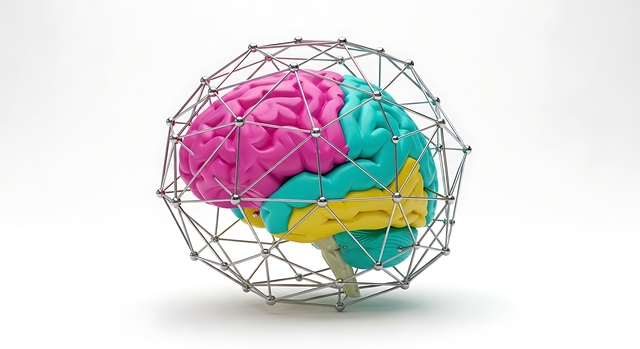
NLP, principles and benefits for well-being, represents an approach that truly transforms the lives of the people who use it. In fact, 79% of users who consulted in NLP reported a significant improvement in their health and quality of life.
Developed in the 1970s in Santa Cruz, California by Richard Bandler and John Grinder, the NLP method is often described as a toolbox enabling individuals to program and reproduce their own behavioral patterns to achieve their goals. NLP psychology applies to many fields, including therapy, sport, and effective management, while helping to strengthen self-esteem, improve communication, and manage stress and anxiety.
At Hello Soins, we understand the importance of these alternative approaches for your overall well-being. That is why we have created a premium platform that makes it easy to book appointments with qualified practitioners in NLP and other alternative medicines. Our goal is to offer you privileged access to these powerful techniques that can help you overcome your psychological difficulties, whether they involve phobias, learning disorders, or compulsive behaviors.
The basics of NLP: a human-centered approach
Neuro-Linguistic Programming (NLP) is fundamentally based on the idea that every individual has the resources necessary to achieve their personal goals. This approach, deeply rooted in the observation of human behavior, offers concrete tools for developing our inner potential.
Origins and founders of NLP
In the 1970s, Santa Cruz University in California became the birthplace of a revolutionary approach. As Richard Bandler, a computer science and mathematics student, collaborated with John Grinder, a linguistics professor, they began modeling the excellence of renowned therapists. Their curiosity led them to meticulously study Fritz Perls (founder of Gestalt therapy), Virginia Satir (pioneer of family therapy), and Milton Erickson (master of therapeutic hypnosis).
What set their approach apart was its pragmatic nature: rather than dwelling on the reasons for problems, they focused on how to reproduce the exceptional results obtained by these therapists. This practical vision still constitutes the essence of the NLP method today.
The three pillars: neurology, language, programming
NLP is structured around three fundamental dimensions that explain its name:
-
Neuro: refers to our neurological system and recognizes that all our behaviors come from neurological processes. Our sensory experiences (what we see, hear, feel, taste, and smell) determine our state of mind.
-
Linguistic: highlights the crucial importance of language. The words we use structure and reflect our thinking while influencing our communication with others. NLP psychology pays particular attention to linguistic structures as revealing our mental patterns.
-
Programming: evokes our ability to organize our ideas and actions to produce specific results. Like computers, we operate according to “mental programs” that we can modify to obtain better outcomes.
Why is it called brief therapy?
Unlike traditional therapies that can last several years, NLP stands out for its solution-oriented approach. Indeed, it focuses on the present and the future rather than on an in-depth analysis of the past.
This method aims for short-term effectiveness: generally, 3 to 10 sessions are enough to address a specific issue. The goal is not to fully understand why a problem exists, but rather to identify the resources that make it possible to solve it quickly.
At Hello Soins, we connect our clients with qualified practitioners who master these brief therapy techniques. Our premium platform makes it easy to book appointments with these experts, allowing you to easily access these proven methods for your overall well-being.
The key methods used in NLP
To achieve concrete results in Neuro-Linguistic Programming, several fundamental techniques are used by experienced practitioners. These methods form the heart of the NLP method and enable profound transformations.
Synchronization: creating a connection with the other person
Synchronization consists of subtly aligning with the other person by reproducing certain aspects of their behavior. It includes two complementary approaches: mirroring (exact reflection) and matching (harmonious correspondence). By adopting a similar posture, a comparable vocal rhythm, or related gestures, we create a powerful unconscious bond. Companies that integrate these techniques into their communications see a 27% improvement in employee engagement. To be effective, wait 3 to 5 seconds before reproducing a gesture to avoid an overly obvious mimicry effect.
Anchoring: mobilizing one’s inner resources
Anchoring makes it possible to associate a positive emotional state with a specific gesture. For example, touching your thumb and index finger together when you feel great confidence then allows you to trigger that state at will by reproducing the same gesture. This technique, inspired by Pavlov’s work, gives us access to our inner resources in situations where they are lacking. To create an effective anchor, vividly relive a positive experience and, at the moment the emotion reaches its peak, perform your anchoring gesture.
Reframing: changing perspective
Reframing transforms our perception of a situation by changing the frame within which we place it. This technique makes it possible to give a different meaning to an experience by looking at it from another angle. For example, a stressful interview can be reframed as an opportunity to share one’s skills. There are two main types: context reframing (changing the situation) and content reframing (modifying the interpretation). This approach is particularly effective for managing criticism and resolving conflicts.
Calibration: observing to better understand
Calibration consists of detecting subtle nonverbal signals that reveal a person’s emotional state. By establishing a “baseline” of facial expressions, posture, breathing, and tone of voice, then noticing variations, we can better understand what our interlocutor is truly feeling. This skill is acquired through practice, by focusing first on one sensory channel at a time (visual, auditory, kinesthetic) before combining them.
The timeline: revisiting the past and planning the future
The timeline technique makes it possible to visualize and modify our temporal perception. Particularly effective for planning the future or resolving blocks rooted in the past, it exists in three main variants: the goal line, the resource line, and the healing line. To create meaningful change, start with the desired future and work back toward the present, rather than the other way around.
Feedback: adjusting to progress
In NLP, feedback represents the ability to reflect on our actions in order to influence our next steps. To be effective, it must be delivered in a state of optimal presence, after establishing a relationship of trust. Always begin by highlighting the positive points before suggesting improvements, and avoid blocking words such as “but,” which cancel out everything that comes before them.
At Hello Soins, our premium platform makes it easy to connect with NLP practitioners who perfectly master these techniques for your well-being.
The benefits of NLP for overall well-being
The concrete benefits of NLP extend to many aspects of our daily existence, considerably improving our overall quality of life. Practitioners regularly observe profound transformations in their clients.
Strengthening self-confidence
NLP offers powerful tools to reprogram our inner dialogue and eliminate limiting beliefs. Anchoring and visualization techniques make it possible, in particular, to quickly access states of confidence when we need them. By identifying and replacing negative thoughts with more constructive perspectives, people develop a more positive self-image and lasting confidence.
Achieving personal or professional goals
The NLP method excels at turning dreams into concrete goals. By applying the concept of “well-formed criteria,” practitioners help their clients formulate specific, measurable, and ecological goals. Visualization and time-planning techniques also make it possible to anticipate potential obstacles and mobilize the resources needed to succeed.
Managing stress and emotions
In the face of chronic anxiety and stress, NLP offers remarkably effective solutions. Controlled breathing, guided imagery, and reframing techniques help significantly reduce stress levels and manage anxiety. Moreover, emotional anchoring approaches make it possible to consciously activate positive states during difficult moments.
Improving communication in couples and at work
NLP psychology transforms our relationships by teaching us to recognize and adapt our communication patterns. Studies show that techniques such as active listening, rapport, and precise questioning improve mutual understanding and reduce conflicts. A couple on the verge of separation completely transformed their relationship by changing their perception of the other’s behavior.
Supporting chronic illnesses or heavy treatments
NLP can also effectively support people facing health challenges. It helps better manage pain, fatigue, allergies, and even certain aspects of learning disorders. A unique combination of deep relaxation and modification of inner dialogue makes it possible to live more serenely with chronic conditions.
At Hello Soins, we make it easy for you to access qualified NLP practitioners to support you through these positive transformations.
What does an NLP session look like?
An NLP consultation generally follows a structured process that makes it possible to obtain concrete and rapid results. In fact, a session usually lasts between 50 and 60 minutes, during which the practitioner guides you through several key stages.
Framing the issue with the practitioner
First, the first 10 minutes are devoted to clearly defining your current situation and your goals. The practitioner asks targeted questions to understand your “present state” and your “desired state.” This initial phase does not require going into painful details of your past — you share only what you feel comfortable with. The goal is to formulate together a “well-formed” objective, meaning positive, realistic, and measurable.
Mobilizing inner resources
Next, the practitioner helps you access your own inner resources to facilitate the desired change. If a negative emotion needs to be removed, the process is remarkably effective — generally, it is enough to identify three specific memories before applying emotional transformation techniques. This step usually takes only twenty minutes and avoids having to relive painful experiences.
Carrying out practical exercises
Furthermore, the NLP method relies on different frameworks and techniques adapted to your particular situation:
-
Anchoring exercises to associate positive emotional states with specific gestures
-
Reframing techniques to change your perception of a problem
-
Guided visualizations to build new resources
The practitioner customizes these exercises according to your needs and preferences, guiding you step by step through their completion.
Analyzing the results and modeling successes
Finally, you will often notice a significant internal change. When you think back to the original problematic situation, you will perceive it differently — as if the problem had never really been one at all. In some cases, your visual perception of the memory will even shift from negative to positive, making you doubt that you ever had that problem.