
Qi Gong
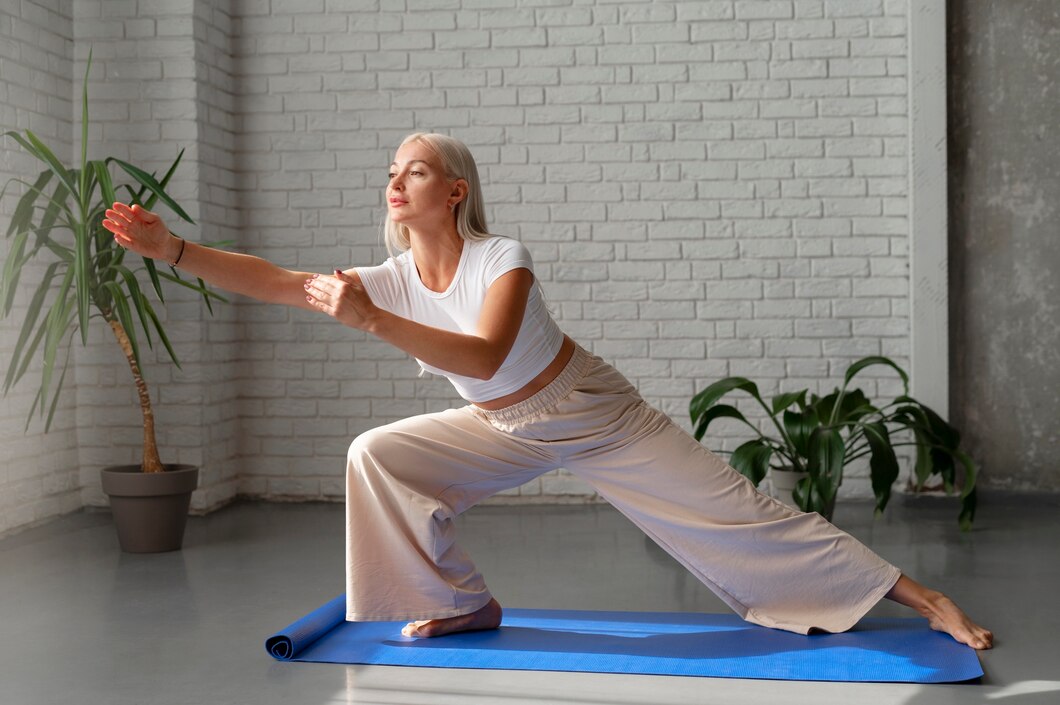
Therapeutic qi gong is an ancient discipline, rooted in traditional Chinese medicine, that has existed for more than 2,000 years and continues to impress with its remarkable results.
Indeed, qi gong harmoniously combines slow movements, specific qi gong postures, and breathing techniques to balance our vital energy, or "Qi." Moreover, since the 1980s, this practice has been incorporated into medical studies at more than 10 Chinese universities, attesting to its scientific recognition. The benefits of qi gong are numerous: significant reduction in stress, lower blood pressure, improved flexibility, and strengthening of the immune system. Particularly well suited to seniors, this gentle discipline is suitable for all fitness levels and can be practiced in short sessions.
At Hello Soins, we make it easier for you to access this alternative medicine by connecting patients and therapeutic qi gong practitioners through our premium platform. In this way, we support you on your wellness journey by simplifying appointments and personalized follow-up with qualified experts.
What is Qi Gong?
Are you familiar with this age-old discipline that is making a name for itself for its remarkable therapeutic effects? Qi Gong, often little known in the West, is gradually gaining its place among the most sought-after wellness practices.
Origin of the term: Qi and Gong
The term "Qi Gong" comes from two fundamental concepts in Chinese thought. On the one hand, "Qi" (pronounced "tchi") refers to the vital energy that circulates in every living being. On the other hand, "Gong" literally means "work" or "mastery." Together, these terms form the art of "mastering vital energy." This ancient energetic practice is based on the harmonious combination of slow movements, specific qi gong postures, and deep breathing techniques.
A practice stemming from traditional Chinese medicine
Therapeutic qi gong fully fits within the founding principles of traditional Chinese medicine. Developed more than 2,000 years ago, it is one of the five pillars of this holistic medicine, alongside acupuncture, herbal medicine, dietetics, and Tui Na massage. According to this view, energetic imbalances are at the origin of physical and psychological disorders. Consequently, therapeutic qi gong aims to restore the harmonious circulation of Qi along the meridians.
In China, this discipline has enjoyed official recognition since the 1950s. Its therapeutic applications are studied in several universities and hospitals, with convincing results on various conditions. Today, at Hello Soins, we make access to this alternative medicine easier by connecting patients and qualified practitioners through our premium platform.
Differences between Qi Gong, Tai Chi, and Yoga
Although often confused, these three disciplines have distinct characteristics:
-
Qi Gong focuses mainly on the circulation of energy through simple qi gong movements and static postures. It emphasizes internal work rather than external form.
-
Tai Chi, for its part, is an internal martial art that follows codified sequences called "forms." It incorporates aspects of self-defense while preserving energetic work.
-
Yoga, of Indian origin, is structured more around postures (asanas), meditation, and breath control (pranayama). Its philosophy differs through its roots in Hindu sacred texts.
However, these practices share certain benefits of qi gong, such as stress reduction, improved concentration, and strengthening of the body. Each offers a unique path toward body-mind balance, suited to different sensitivities and personal goals.
The main principles of Qi Gong
The very foundation of therapeutic qi gong rests on several essential pillars that make its extraordinary effectiveness possible. Let us discover together these principles that make qi gong such a complete practice.
The role of breath and breathing
Breathing is the beating heart of therapeutic qi gong. It must be abdominal, fluid, and deep. This is no small matter: breathing is the only autonomous vital function we can consciously control. By synchronizing movement and breath, we stimulate our vital energy. One inhales during opening movements and exhales during closing movements, thus creating a harmonious rhythm that immediately calms our emotions.
Balance between Yin and Yang
Every qi gong exercise is rooted in the theory of Yin and Yang. These complementary forces - Yang (heat, activity, masculine) and Yin (cold, passivity, feminine) - must be perfectly balanced. Moreover, imbalances in this balance can lead to various illnesses. Regular practice of therapeutic qi gong aims precisely to harmonize these two fundamental energies.
The circulation of vital energy (Qi)
The main goal of qi gong is to release and balance the Qi that circulates in our body through meridians, similar to those used in acupuncture. This energy is felt as a subtle warmth or a slight magnetism. Qi gong postures stimulate acupuncture points and release energetic blockages, thereby restoring our natural vitality.
Slow postures and movements
Qi gong movements are characterized by their deliberate slowness and fluidity. Generally rounded, they must be performed with precision but also with relaxation. Body alignment plays a crucial role: correct posture facilitates energetic circulation and strengthens the therapeutic effectiveness of each movement.
Connection with meditation and visualization
Qi gong is essentially meditation in motion. Mental concentration and visualization greatly amplify the effects of the physical postures. This meditative dimension makes it possible to deepen understanding of the energetic mechanisms at work in our organism. A session may also be completed with a period of silent meditation or one accompanied by specific sounds.
The benefits of Qi Gong for well-being
Practiced regularly, therapeutic qi gong brings remarkable benefits to our overall health. According to a recent study, 77% of people who consulted for qi gong noticed a significant improvement in their health condition.
Reduction of stress and tension
Therapeutic qi gong acts as a powerful stress regulator. Slow, repetitive qi gong movements, combined with breathing techniques, help calm the mind and release muscular tension. This age-old practice helps reduce cortisol levels in the body, the hormone associated with stress. Particularly effective for tension accumulated in the upper body, it helps "bring down the energy" that stagnates in the shoulders and neck to the lower body.
Improved flexibility and balance
Performing qi gong postures promotes better postural alignment and gradually develops greater joint flexibility. With consistent practice, the body becomes more mobile while the muscles are gently strengthened. These exercises help reduce the risk of falls in older adults, as several studies comparing qi gong and tai chi have shown.
Strengthening the immune system
By stimulating the circulation of vital energy, therapeutic qi gong strengthens the body's natural defenses. Various studies have observed that this practice positively influences the production of immune cells such as lymphocytes and NK (natural killer) cells. Dr. Jian Liujun even created a specific sequence of eight movements aimed at stimulating the lungs and strengthening immunity.
Support for vital functions
Qi gong provides valuable support for the essential functions of our body. It improves digestion by activating the transformation of food, regulates blood sugar balance in people with diabetes, and optimizes cardiovascular function. The movements performed create a true "internal massage" of the organs, beneficial to the entire system.
Effects on mental and emotional health
According to traditional Chinese medicine, each organ is associated with a specific emotion. Thus, by balancing the energy of an organ, qi gong also harmonizes the corresponding emotion. Regular practice improves concentration, promotes quality sleep, and develops a sense of inner calm. Many practitioners report feeling "the pleasant sensation of inhabiting their body fully and mindfully."
To discover these benefits of qi gong, Hello Soins connects you with qualified practitioners via our premium platform. Our service makes appointments easier and offers personalized follow-up for your well-being.
How to practice Qi Gong every day?
Integrating therapeutic qi gong into your daily routine is simpler than it seems. With a few adjustments and regular practice, you can quickly feel its beneficial effects.
How a typical session unfolds
A standard session lasts between 45 and 90 minutes and consists of four distinct stages. First comes preparation, which aims to calm the mind and loosen the muscles with breathing exercises. Next, static postures work on the body's axis and stabilize the breath. Then come the broad, coordinated movements that require concentration and visualization. The session ends with a return to calm, often accompanied by self-massage or meditation.
Clothing and practice environment
The ideal outfit should be loose, light, and not cling to the skin. Choose natural fabrics such as cotton or linen, in sober colors (white, black, or sky blue). For footwear, opt for flat-soled shoes or practice in socks. Qi gong is practiced outdoors, in nature, but it can also be done in any quiet space large enough to perform broad movements.