
Relaxation
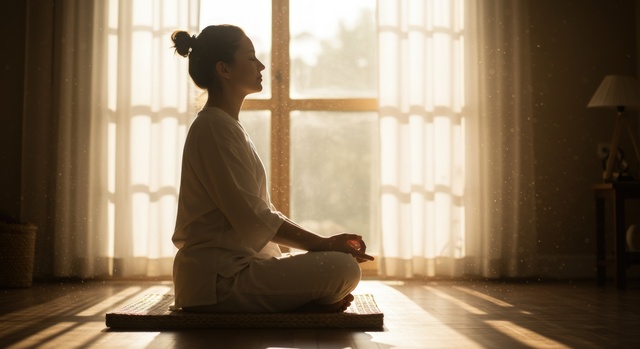
Relaxation, principles and benefits for well-being are impressive in their results: 88% of people who consulted a relaxation therapist report an improvement in their health. This therapeutic practice, born in the 1970s and inspired both by Eastern methods such as meditation and by Western progressive relaxation techniques, effectively reduces stress and tension to promote a deep sense of calm.
At Hello Soins, we have found that relaxation techniques such as controlled breathing, guided visualization, and progressive muscle relaxation are particularly effective in harmonizing body and mind. Our premium relaxation appointment platform enables practitioners in alternative medicine to offer these essential services, while patients benefit from privileged access to the best available time slots. Moreover, regular practice of these methods improves sleep quality, reduces anxiety, and even strengthens the immune system by reducing chronic stress.
In this article, we will explore together the foundations of relaxation, the most effective techniques, their concrete benefits, and how to incorporate this practice into your daily life with personalized support.
The basics of relaxation: a practice accessible to all
Relaxation practice is an entryway to well-being that is accessible to each and every one of us, regardless of age or physical condition. To understand this discipline, let us explore together its foundations, its differences from meditation, and its cultural origins.
Simple definition of relaxation
Relaxation refers to a technique aimed at voluntarily achieving a state of complete release of bodily and mental tension. It is прежде all a physical process characterized by deep muscular release leading to total psychological relaxation. Its primary goal is to develop the body’s ability to slow down its activation and facilitate a return to calm.
What particularly distinguishes relaxation is its body-centered approach. Relaxation techniques rely on a variety of approaches such as:
-
Deep abdominal breathing
-
Progressive muscle relaxation (tensing then relaxing the muscles)
-
Stretching and joint release
-
Visualization and mental imagery
The state of relaxation is an essential prerequisite that allows the body to release well-being hormones, including serotonin, thereby helping to soothe the nervous system.
Difference between relaxation and meditation
Although often confused, relaxation and meditation present fundamental differences. First of all, relaxation works primarily through the body - only once the body is relaxed can the mind breathe. Spirituality does not come into play; only the release of accumulated stress matters.
Meditation, on the other hand, is more of a mode of access to knowledge and observation. It aims at mindfulness of the present moment, one’s perception of the world, and bodily sensations. Unlike relaxation techniques, which seek a specific physiological state of relaxation, mindfulness meditation does not aim to change the body’s state.
Origins and cultural influences
Relaxation and meditation practices draw from various ancient traditions. Indeed, the first traces of meditation date back more than 4,000 years in the Indus Valley, long before Buddhism developed it.
Moreover, Western relaxation techniques have developed more recently, such as Jacobson’s progressive relaxation (1928) or Schultz’s autogenic training, which are based on scientific principles of muscular release and autosuggestion.
At Hello Soins, we recognize this cultural richness and offer relaxation appointments with practitioners trained in various approaches. Our premium platform makes it easier to access these ancestral practices adapted to contemporary needs, allowing everyone to benefit from their beneficial effects on body and mind.
The most effective relaxation techniques
To regain calm and inner balance, certain methods stand out in particular for their effectiveness. These techniques, available in individual sessions through our Hello Soins platform, make it possible to quickly reach a state of deep relaxation.
Deep breathing and heart coherence
Heart coherence synchronizes our breathing and heart rate through the “365” method: 3 daily sessions, 6 breaths per minute, for 5 minutes. This specific rhythm of inhalation and exhalation, 5 seconds each, activates the vagus nerve, thereby reducing cortisol and increasing serotonin and oxytocin—our well-being hormones. This practice also increases IgA, strengthening our immunity and promoting better physical recovery.
Guided visualization and mental imagery
This powerful technique uses our imagination to induce a deep state of relaxation. While visualization imposes precise images on the mind, mental imagery brings forth representations from our unconscious. It is activated not only by images, but also by sounds or tactile sensations. According to some practitioners, 30 minutes of this practice would be equivalent to 5 hours of sleep.
Progressive muscle relaxation
Developed by Edmund Jacobson a century ago, this method consists of tensing and then relaxing different muscle groups. The principle is simple: hold the tension for 5–7 seconds, then release abruptly. After 8–12 weeks of regular training, this technique becomes automatic and particularly effective against stress, pain, and sleep disorders.
Mindfulness meditation
Unlike other techniques, mindfulness meditation does not necessarily aim at immediate relaxation. Rather, it trains us to observe our thoughts without judgment, like “clouds in the sky.” This practice, whether formal or informal, significantly reduces stress and anxiety while improving our relationship to negative thoughts.
Soothing music and sounds
Natural sounds such as waves, rain, or birdsong create an atmosphere conducive to relaxation. Binaural beats, for their part, lead our brain into a state of deep relaxation. Ambient music and light classical music effectively complement these sound tools to promote falling asleep and soothe the mind.
At Hello Soins, our qualified practitioners master these different approaches and guide you in learning them.
Concrete benefits for body and mind
The therapeutic effects of relaxation are now scientifically proven, with measurable results on our physiology. Through our relaxation appointments on Hello Soins, we observe these positive transformations in our patients every day.
Reduction of stress and anxiety
Regular relaxation significantly lowers cortisol levels—the stress hormone—in our body. Indeed, after only eight weeks of practice, anxiety levels drop by 30% on average, while blood pressure can decrease by 5 to 15 points. Moreover, 75% of people practicing regular relaxation techniques report a notable improvement in their emotional management in the face of stressful everyday situations.
Improved sleep
The time it takes to fall asleep is considerably reduced thanks to relaxation, generally going from 45 to 15 minutes in people suffering from mild insomnia. In addition, sleep quality improves, with an average increase of 80 minutes of deep sleep per night after three months of regular practice. Our practitioners on Hello Soins offer sessions specifically designed for sleep disorders.
Improved concentration
After six weeks of daily practice, sustained attention capacity increases by 25%, while working memory improves by 15% on average. Thus, people followed on our platform often report better productivity and creativity, especially in their professional environment.
Support for the immune system
Deep relaxation reduces inflammatory markers in the blood and increases the activity of NK (Natural Killer) cells, which are essential to our immune defense. Concretely, people who practice regularly record up to 30% fewer infectious episodes than average.
Lasting emotional balance
Beyond immediate well-being, regular relaxation has lasting effects on our psychological balance:
-
A 40% reduction in depressive symptoms after four months of practice
-
An improvement in self-esteem in 65% of practitioners
-
An increased ability to manage difficult emotions
Our Hello Soins platform facilitates personalized monitoring of these benefits thanks to our AI integration, allowing sessions to be adjusted according to your progress and specific needs.
Integrating relaxation into your daily life with appropriate support
Turning relaxation into a daily habit requires a structured approach adapted to each individual. Here is how to integrate this beneficial practice into your life with the right support.
When and how to practice at home
Integrating relaxation into your routine does not necessarily require a major investment of time. First, identify the right moments in your day—for example while showering, brushing your teeth, or cooking. To maintain a regular practice, set accessible and measurable goals that will allow you to quickly see the positive effects. Easy options to incorporate include:
-
A few minutes of mindful breathing upon waking
-
Stretching in the shower
-
A moment of visualization before bedtime
Relaxation at work: effective micro-breaks
Active micro-breaks are a powerful solution to professional fatigue. These short 5- to 15-minute breaks fit naturally between two meetings or after lunch. In addition to breaking up postural routines, they help relieve muscle tension and recharge your batteries without permanently interrupting your productivity. Three effective techniques in the office include simple standing or seated movements, quick self-massage, and guided breathing.
Support from a qualified practitioner
The relaxation therapist masters different methods (Schultz training, Jacobson relaxation, sophrology) and adapts them to your specific needs. An individual session generally lasts one hour and includes three essential phases: a pre-session discussion, practical exercises, and feedback on how you felt. For optimal results, the ideal frequency is one session per week, with support generally extending over 6 to 12 sessions.