
Shiatsu
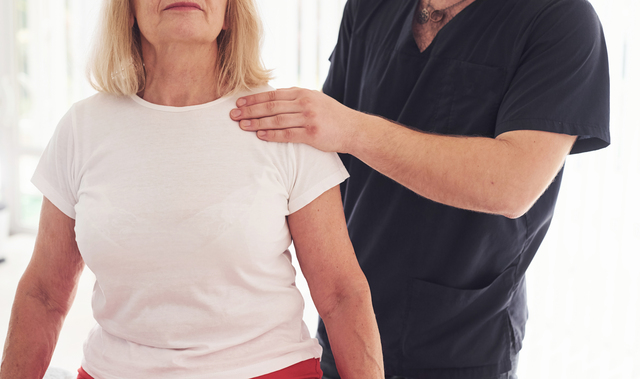
Shiatsu, its principles and benefits for well-being, are impressive for their concrete results: 83% of people who have consulted for shiatsu report an improvement in their health. It is no coincidence that this practice is recognized as the second official medicine in Japan, where doctors regularly prescribe it to their patients.
At Hello Soins, we are seeing growing interest in this shiatsu massage, particularly for its immediate effects on relaxation and its lasting benefits with regular sessions. Indeed, shiatsu improves overall well-being by rebalancing the body’s energy system, which can boost vitality and support self-healing. Moreover, a typical session lasts about an hour and costs an average of €50, with some health insurers partially covering this care.
In this article, we explore the fundamental principles and the many benefits of shiatsu for your daily health, as well as what happens during a typical session. Whether you suffer from chronic pain, digestive disorders, or stress, shiatsu could offer you natural and effective solutions.
Definition and origins of Shiatsu
The word "Shiatsu" is made up of two Japanese terms: "shi" (finger) and "atsu" (pressure), literally "finger pressure." This Japanese manual practice represents much more than a simple massage - it is a true therapeutic art developed in Japan.
A Japanese art of therapeutic touch
Shiatsu differs from other body techniques through its unique method of rhythmic pressure. Concretely, it consists of applying pressure with the thumbs, fingers, and palms of the hands on precise points of the body, without using mechanical instruments or other accessories. This approach aims to correct internal dysfunctions, promote and maintain health, and treat certain specific conditions.
Although Shiatsu took its modern form in the 20th century, it belongs to a long tradition of Japanese manual techniques. The first clinic using finger-pressure protocols was opened in Muroran (Hokkaido) as early as 1925 by Tokujiro Namikoshi, considered the father of modern Shiatsu. Moreover, the term "Shiatsu" first appeared officially in the book "Shiatsu Ryoho" published in 1939 by Tenpeki Tamai.
Roots in traditional Chinese medicine
Indeed, Shiatsu draws its origins from traditional Chinese medicine introduced to Japan around the 6th century under the name Kampô. This influence brought the fundamental techniques of physical and energetic massage that took the name Anma or Amma around the year 700.
Like acupuncture, Shiatsu is based on the concept of "Qi" (or "Ki" in Japanese), the vital energy that circulates through the body via meridians. According to this view, health depends on the harmonious circulation of this energy. The practitioner therefore works on specific points (tsubo) to regulate this energy flow and restore balance between body and mind.
Official recognition in Japan
After the Second World War, Shiatsu nearly disappeared when MacArthur banned all traditional Japanese arts. However, thanks to the tireless commitment of Tokujiro Namikoshi, the Japanese Ministry of Health officially recognized Shiatsu as a therapy in its own right in 1955.
The official definition states that "Shiatsu is a form of manipulation using the thumbs and palms of the hands, without any mechanical or other instrument, applying pressure to the human skin, to correct internal dysfunction, promote and maintain health, and treat specific diseases".
In 1964, the ministry definitively distinguished Shiatsu from traditional massage, and in 1997, the European Parliament recognized it as one of the eight "non-conventional medicines worthy of interest".
At Hello Soins, we connect patients with qualified practitioners in this ancestral discipline, now recognized internationally.
The major energetic principles of Shiatsu
At the heart of Shiatsu lies a deep energetic vision, inherited from traditional Chinese medicine and adapted by the Japanese. This approach rests on three fundamental pillars: vital energy, energy channels, and body-mind harmony.
The role of Qi (vital energy)
Qi (pronounced "chee"), or Ki in Japanese, represents the vital energy that animates every living being. In everyday Japanese, the term Ki appears in many expressions related to physical and emotional states. For example, "genki" means "to feel well" (literally "to have essential Ki").
This invisible yet perceptible force constantly circulates through our body. According to Eastern tradition, health depends on the free flow of this energy, while blockages or imbalances can lead to various physical and emotional disorders. Shiatsu aims precisely to stimulate and harmonize this energy circulation.
Meridians and acupressure points
These energy currents circulate through a complex network of channels called meridians. There are mainly 12 regular meridians, each linked to a specific organ or function, plus 8 extraordinary meridians. These meridians form complementary Yin-Yang pairs:
-
Lung - Large intestine
-
Spleen - Stomach
-
Heart - Small intestine
-
Kidney - Bladder
-
Pericardium - Triple Burner
-
Liver - Gallbladder
The Shiatsu practitioner applies pressure to precise points, called tsubos, located along these meridians. These points serve as "entry gates" to influence energy circulation and restore balance. Although more than 2,000 points have been identified, around 200 are commonly used in practice.
The balance between body and mind
The Shiatsu approach is fundamentally holistic. According to this view, body and mind are inseparable. Every part of the body is connected to the whole, and energy imbalances can affect both our physical and mental state.
Shiatsu therefore does not simply treat isolated symptoms but seeks to restore overall harmony. This explains why it can be effective for conditions as varied as stress, insomnia, chronic pain, or certain digestive problems.
The benefits of Shiatsu for well-being
Shiatsu sessions bring tangible and lasting benefits to the body. According to recent studies, 83% of people who have received Shiatsu care notice a significant improvement in their health status. This Japanese manual therapy acts simultaneously on several levels, offering overall balance both physically and mentally.
Effects on circulation and pain
Shiatsu effectively stimulates blood and lymphatic circulation thanks to the pressure applied along the meridians. This action improves tissue oxygenation and toxin elimination. Moreover, the pressure techniques applied considerably relieve muscle and joint pain. Particularly recommended for lower back pain, sciatica, tendinitis, and muscle cramps, Shiatsu can also ease migraines and neck tension by releasing energy blockages.
Stress reduction and improved sleep
The practice of Shiatsu provides deep relaxation that acts directly on the nervous system. By reducing cortisol levels, the stress hormone, it promotes a lasting state of calm. Thus, people suffering from insomnia generally find more restorative sleep after a few sessions. The pressure and manipulation techniques relax not only the muscles, but also prepare the body for better-quality rest.
Support for the immune system
By balancing vital energy, Shiatsu naturally strengthens immune defenses. In particular, it stimulates the "defensive qi" (wei qi) that protects the body against pathogens. Studies show that this practice can help prevent infections by promoting the production of immune cells. Reduced stress also contributes to a better immune response.
Emotional regulation
According to traditional Chinese medicine, each organ is associated with a specific emotion: anger with the liver, joy with the heart, sadness with the lungs, and fear with the kidneys. Shiatsu helps balance these energies, promoting emotional stability. By releasing energy blockages, it also allows repressed emotions, a potential source of physical disorders, to be released.
Prevention of energy imbalances
Shiatsu fits perfectly into a preventive approach to health. Regular sessions help maintain energetic harmony before symptoms even appear. This practice supports seasonal changes, transition periods, or times of emotional overload. It is therefore a valuable ally for preserving vitality in the long term and increasing resistance to everyday stress.
How does a Shiatsu session take place?
Immerse yourself in the soothing world of Shiatsu through this concrete exploration of how a session unfolds. A therapeutic experience that takes place in several distinct and complementary stages.
Clothing and atmosphere of the session
Shiatsu is practiced clothed, an essential point that distinguishes it from conventional massages. Choose loose, comfortable clothing - ideally leggings or jogging pants, a T-shirt, and clean socks. This particularity is explained by the fact that the pressure is applied effectively through the fabric, without disturbing deeper sensations.
The environment is generally simple and calm, often without music to encourage concentration on sensations. The session traditionally takes place on the floor, on a futon or tatami mat, although some practitioners also offer seated positions for people with reduced mobility.
The initial energy assessment
Each session begins with a personalized consultation that allows the practitioner to understand your life context, your specific needs, and your medical history. This exchange generally lasts between 15 and 25 minutes during a first session.
The practitioner then carries out an energy diagnosis, often by taking the pulses or palpating the hara (abdominal area). This assessment identifies energy imbalances and guides the treatment.
Techniques used by the practitioner
Shiatsu uses a range of precise manual techniques. The practitioner alternates tonic and rhythmic pressure with the fingers, palms, or sometimes elbows along the energy meridians. These pressures may be ordinary, gliding, or deep depending on the needs.
Other techniques complement these pressures: stretches, joint mobilizations, sometimes percussions or frictions on contracted areas. These manipulations aim to unblock the circulation of Ki and restore energetic harmony.
Recommended duration and frequency
A complete session generally lasts between 45 minutes and 1 hour. In a preventive approach, receiving Shiatsu at each change of season is ideal[193].
For specific imbalances, a more sustained rhythm is recommended: three consecutive sessions spaced three weeks apart form an effective base. For chronic issues, more regular follow-up may be necessary, with the practitioner adapting the frequency to your particular situation.