
Tuina
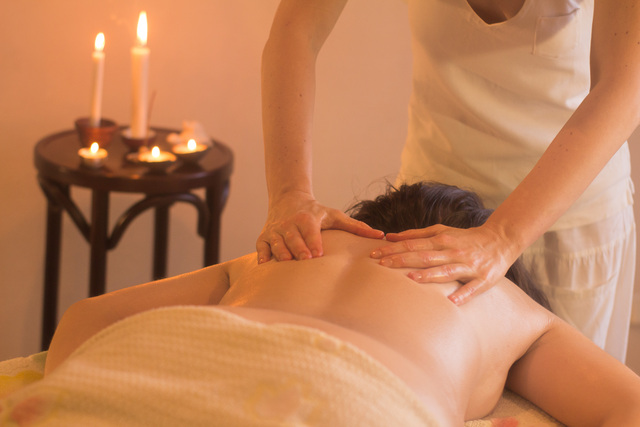
Tui Na, practiced for more than 2,000 years, is a fascinating energetic massage technique that forms one of the five branches of Traditional Chinese Medicine. Our data show that 76% of users who consulted in Tui Na reported a significant improvement in their health.
This ancestral massage, also known as tuina massage, uses precise techniques of pressure, percussion, kneading, and stretching to stimulate acupuncture meridians and facilitate the circulation of Qi, the vital energy at the heart of Chinese medicine. Thanks to its methods such as Anmo, Rou Fa, and An Fa, tuina offers a holistic approach that considers the body, mind, and energy as closely interconnected.
In this article, we will explore the fundamental principles of tuina, its specific techniques, as well as its many benefits for well-being, including improved blood circulation, reduced stress, and optimized sleep quality.
The foundations of Tui Na in traditional Chinese medicine
The origins of Tui Na go back to a distant time in Chinese history. Let us discover together the foundations of this age-old practice and its integration into traditional Chinese medicine.
Origin and meaning of the term Tui Na
Tui Na has its roots in ancient China, with archaeological evidence dating back to around 2700 BCE. Initially known as Anmo (按摩) during the Shang dynasty (1600-1046 BCE), it was only later that this practice evolved into what we now call Tui Na. The famous early Chinese medical text, the Huang Di Nei Jing, written between the 1st century BCE and the 1st century CE, is the first written reference precisely defining Tui Na massage and its therapeutic applications.
The term "Tui Na" comes from two fundamental actions of this technique: "tui" means "to push" and "na" means "to grasp and press." This name perfectly reflects the characteristic movements of this energetic massage, which aims to rebalance vital energy in the body.
The five branches of Chinese medicine
Traditional Chinese medicine is based on five main branches that work in synergy to maintain or restore the body's balance:
-
Acupuncture - stimulation of specific points with needles
-
Chinese pharmacopoeia - use of medicinal plants
-
Tui Na - energetic therapeutic massage
-
Chinese dietetics - nutrition adapted to energy needs
-
Energetic exercises - such as Qi Gong and Tai Chi
These five complementary pillars form a complete medical system that treats not only illness but also cares for the patient as a whole. Tui Na, as a branch in its own right, is often used together with other therapies to maximize beneficial effects.
The role of Qi in the body
At the heart of Chinese medicine lies the fundamental concept of Qi (pronounced "chi"), the vital force or energy that circulates in our body. According to this view, our health depends on the harmonious circulation of Qi through a network of meridians—specific energetic channels running through the body.
These meridians, twelve pairs in number (one pair on each side of the body) plus two extraordinary meridians that encircle the trunk and head, have no visible anatomical structure. It is best to visualize them as precise currents of energy, similar to ocean currents.
When the flow of Qi is disrupted or unbalanced, various ailments may arise: pain, stiffness, illness, or even emotional disturbances. Tui Na acts precisely on these meridians and on specific points called acupressure points to unblock and regulate the circulation of Qi, allowing the body to activate its natural self-healing processes.
The specific techniques of tuina massage
Tuina stands out for its rich array of specific manual techniques. Each method has its own movements and therapeutic applications to restore energetic balance and relieve various ailments.
Anmo: pressure and kneading
Anmo is the original form of Chinese massage, whose name comes from two fundamental techniques: "An Fa" (pressure method) and "Mo Fa" (circular kneading). These movements are performed with the palms and fingers, applying light to moderate pressure on the skin. Moreover, Anmo is generally associated with relaxation massages rather than intensive therapeutic applications. Indeed, this technique is particularly beneficial for weakened or elderly people.
Tui Fa: pushing and stretching
Tui Fa, which literally means "pushing method," is performed with a powerful one-way movement using the fingers, thumb, palm, or elbow. This technique follows the lines of the main muscles, tendons, and ligaments. As a result, it promotes the circulation of Qi and blood while relaxing connective tissues. Tui Fa is particularly effective for treating spinal problems and pain syndromes.
Zhi Ya: targeted acupressure
Zhi Ya is a form of deep massage targeting specific acupressure points. This method uses precise, progressive pressure applied with the thumb or index finger. By applying different levels of pressure on particular points or along meridians, Zhi Ya can promote the circulation of Qi and blood, remove blockages, and effectively relieve muscle and joint pain.
Rou Fa: circular friction
Rou Fa, or "rotation method," consists of circular movements performed with the fingers or the palm of the hand. This technique helps improve muscle tone and circulation. To perform it, the fingers are interlaced and circular movements are made, which is particularly beneficial for knee pain. Rou Fa also harmonizes Yin and Yang energies while resolving Qi stagnation.
Gua Sha: therapeutic complement
Gua Sha often complements a tuina session. This technique involves using a smooth-edged tool (jade, horn, or metal) to gently "scrape" the skin after it has been oiled. This process creates micro-abrasions that facilitate healing and reduce inflammation. Particularly effective for respiratory conditions, muscle tension, and even for cosmetic purposes, Gua Sha releases blood stagnation in the capillaries and heat in the tissues.
The benefits of Tui Na for body and mind
Tui Na massage offers a multitude of therapeutic benefits thanks to its ancestral techniques. Unlike Western massages, it acts not only on the physical body but also on the energetic aspects of our being. Let us examine its main beneficial effects together.
Relief of muscle and joint pain
Tui Na particularly excels in treating musculoskeletal pain. Thanks to techniques such as Tui Fa and Zhi Ya, this massage effectively targets chronic tension and muscle knots. Moreover, it is particularly effective for lower back pain, neck pain, sciatica, and various joint pains.
The deep movements of Tui Na promote the release of endorphins, natural painkillers produced by our body. In addition, by targeting specific meridians linked to painful areas, the practitioner can unblock energetic stagnations often responsible for persistent pain.
Reduction of stress and anxiety
In our hyperconnected world, stress is omnipresent. Fortunately, Tui Na offers a space for deep relaxation. Indeed, the Anmo and Rou Fa techniques induce intense relaxation of the central nervous system.
This deep relaxation triggers a reduction in stress hormones such as cortisol, while encouraging the production of serotonin and dopamine, neurotransmitters associated with well-being. Thus, regular Tui Na sessions can considerably improve emotional and mental balance.
Improved circulation and sleep
Tui Na significantly stimulates blood and lymphatic circulation. These circulatory improvements facilitate the elimination of toxins and the supply of oxygen to the tissues. Notably, this detoxifying effect contributes to better sleep quality.
People suffering from insomnia or sleep disorders often report significant improvements after a few Tui Na sessions. Regulating the flow of energy helps harmonize the body's natural wake-sleep cycles.
Strengthening the immune system
Through its action on lymphatic and blood circulation, Tui Na naturally strengthens our immune defenses. The massage also stimulates acupressure points linked to the organs responsible for immunity in Chinese medicine, notably the spleen and lungs.
This stimulation promotes the production of white blood cells and improves their efficiency, thereby strengthening our resistance to seasonal infections.
Overall energetic balance
Ultimately, the fundamental benefit of Tui Na lies in its ability to rebalance Qi throughout the body. This overall energetic balance results in increased vitality, better digestion, and harmonized organ functions.
On Hello Soins, our platform specialized in alternative medicine, you can easily find qualified Tui Na practitioners to fully enjoy these benefits. Our premium service guarantees you privileged access to the best available time slots and personalized follow-up with your practitioner.
How does a Tui Na session work?
A Tui Na session follows a structured protocol that ensures the effectiveness of the treatment while adapting to each person's specific needs. Discover the key stages of this therapeutic experience.
Initial consultation and energetic diagnosis
To begin, the practitioner carries out an in-depth consultation, generally lasting 15 to 30 minutes, to understand your overall state of health. You will fill out a detailed questionnaire regarding your medical history and current concerns. This first step is crucial for establishing an effective personalized treatment.
Next, the therapist proceeds with an energetic diagnosis according to the principles of traditional Chinese medicine. They may examine your tongue, take your pulse, and assess energetic imbalances in your body. This evaluation helps identify Qi blockages and determine which meridians require special attention.
Choice of techniques according to needs
After the initial assessment, the practitioner develops a treatment protocol tailored to your specific needs. They select various Tui Na techniques—pressure, kneading, rolling, shaking, stretching—depending on your condition.
The session may take place seated or lying down, generally clothed in comfortable garments. However, in some cases, the therapist may need to apply deeper techniques requiring the use of massage oils.
Moreover, communication remains essential throughout the session. Do not hesitate to indicate your comfort level with the pressure applied, which will allow the practitioner to adjust their techniques for an optimal experience.
Duration and frequency of sessions
A typical Tui Na session lasts between 30 and 60 minutes, but can extend up to 120 minutes depending on your specific needs. The exact duration will depend on the complexity of your condition and the techniques required.
As for frequency, it varies considerably depending on your condition. For acute problems, close-spaced sessions may be recommended, whereas for wellness maintenance, monthly appointments are generally sufficient. On Hello Soins, our premium platform, you can easily find slots suited to your schedule and benefit from personalized follow-up with your practitioner.
Post-session advice to prolong the effects
After your session, here are some essential recommendations:
-
Hydrate well during the following 24 hours to help your body eliminate the released toxins
-
Avoid alcohol, caffeine, and spicy or fatty foods that could disrupt the restored internal balance
-
Allow yourself time to rest, especially after an intense first session
-
Stay warm and avoid exposure to cold or drafts
Some mild reactions such as fatigue or muscle soreness are normal and generally indicate an ongoing energetic adjustment. These sensations usually disappear within 1 to 2 days.
Conclusion
Tui Na certainly represents much more than a simple therapeutic massage. This age-old practice, grounded in the fundamental principles of traditional Chinese medicine, offers an exceptional holistic approach to maintaining balance between body and mind.
We have explored together the deep roots of Tui Na, dating back more than 2,000 years in Chinese history. This technique, based on the circulation of Qi through the meridians, uses various methods such as Anmo, Tui Fa, Zhi Ya, and Rou Fa to restore energetic harmony. Moreover, its benefits range from relieving muscle pain to strengthening the immune system, as well as reducing stress and improving sleep.
The course of a session, structured and personalized, makes it possible to address your specific needs precisely. Thus, each treatment becomes a unique experience adapted to your particular condition.
Our Hello Soins platform supports you in this wellness approach by facilitating connections with qualified Tui Na practitioners. Thanks to our premium service, you benefit from privileged access to the best available slots and personalized follow-up via our integrated chat. Practitioners, in turn, benefit from increased visibility and optimized scheduling management tools to grow their patient base.
Ultimately, Tui Na is a true invitation to rediscover the natural balance of our body. This ancestral therapeutic approach, now accessible to everyone thanks to new technologies, reminds us of the importance of caring for our vital energy in a world in constant motion.
The path to well-being often begins with a first step. Why not start today with a Tui Na session via Hello Soins?