
Yoga
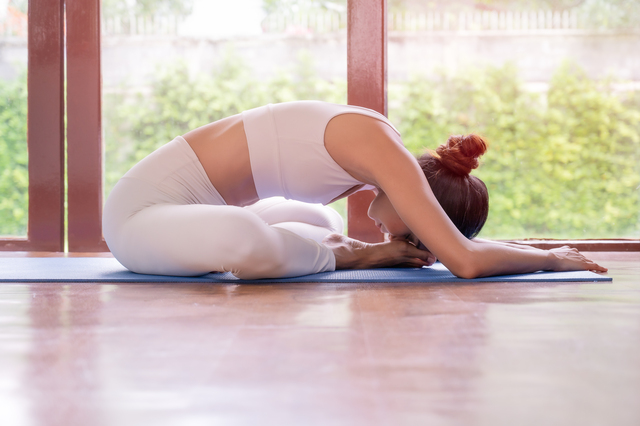
Yoga truly transforms health and well-being. In fact, 81% of our users who have had a yoga consultation have noticed a significant improvement in their health. This age-old practice, born more than 5,000 years ago in India, continues to attract millions of people around the world.
The principles of yoga are based on the union of body and mind, notably through exercises that combine gentle gymnastics, meditation, breathing, and specific postures. The benefits of yoga are numerous and scientifically recognized: reduced back pain, improved cardiovascular problems, decreased stress and anxiety. A regular practice, ideally of at least 30 minutes a day, makes it possible to achieve lasting results.
At Hello Soins, we find that yoga can be adapted to all needs - whether energetic and lively or gentle and calm. This discipline releases the psychophysical tensions accumulated in the body's seven chakras, each corresponding to vital, mental, and spiritual functions essential to our balance. In this article, we explore together the foundations, principles, and multiple benefits that yoga can bring to your daily life.
The foundations of yoga: an age-old practice
The term yoga draws its roots from ancient history, far beyond the simple physical practice many know today. Let us plunge together into this age-old discipline to discover its true foundations.
Origin and meaning of the word yoga
The word yoga comes from the Sanskrit "yuj," which means "to join" or "to yoke." Indeed, in its purest essence, yoga represents union. This practice, originating in ancient India, dates back more than 3,000 years, as evidenced by the first mantras composed in Vedic Sanskrit.
Yoga is much more than a simple physical activity. It is a holistic system that seeks to unite individual consciousness with universal consciousness. In traditional yogic philosophy, there is no division between the individual self and the cosmic divine self.
The union of body and mind
The mind-body connection is not an elusive concept that we hope to forge through our practice - it is present at all times. For example, when your mouth waters at the thought of a dish you like, you are experiencing this mind-body connection.
Yoga is a spiritual discipline that focuses on creating harmony between body and mind. It helps us discover unity within ourselves and with the world around us. Through this practice, we bring together our small, distracted, and selfish self with our higher, expansive, and limitless self - our divine nature.
The role of chakras in the practice
In yoga, chakras play a fundamental role. In Sanskrit, "chakra" means "wheel" or "disk" and refers to the seven main energy centers of the human body:
-
The root chakra (red) - base of the spine
-
The sacral chakra (orange) - between the coccyx and the navel
-
The solar plexus chakra (yellow) - navel area
-
The heart chakra (green) - center of the chest
-
The throat chakra (blue) - hollow of the throat
-
The third eye chakra (indigo) - between the eyebrows
-
The crown chakra (violet) - top of the head
These chakras regulate the flow of energy, or prana, throughout the body. In traditional Indian medicine, vital energy travels through the subtle body via channels called "nadis." The nadis intersect at points of intensified energy - the chakras.
Understanding these foundations of yoga makes it possible to deepen one's practice and establish a deeper connection between body and mind, which is essential for complete well-being.
The major principles of yoga
At the heart of yoga practice are four fundamental principles that guide the practitioner toward harmony of body and mind.
Conscious breathing (pranayama)
Pranayama, or "breath control," is an essential pillar of yoga. This practice connects the body to the solar plexus, where immense potential energy is stored. When released through specific exercises, this energy revitalizes body and mind. Most people use only a fraction of their lung capacity, breathing superficially. By contrast, deep diaphragmatic breathing can help overcome tension and depression. The secret to healing lies in regulating prana, vital energy. Techniques such as "bastrika" breathing or alternate nostril breathing (Nadi Shodana) can greatly improve our mental and physical well-being.
Physical postures (asanas)
Asanas go far beyond simple stretching. Performed slowly and consciously, these postures act as a lubrication system for joints, muscles, and ligaments. They first focus on the health of the spine, the center of the nervous system. According to yogic philosophy, the flexibility of the spine is directly linked to the flexibility of the mind. Internal organs receive massage and stimulation through the various movements, thereby improving their functioning. Practiced with deep breathing and concentration, asanas also develop mental control.
Meditation and mindfulness
Meditation and mindfulness make it possible to take control of one’s mind. The intellect is purified and the lower nature is placed under conscious control thanks to stability and mental concentration. This practice helps us understand our inner workings and cultivate a sense of acceptance and abundance. By paying attention to one’s breath and being fully present in the moment, one develops self-awareness that promotes mental clarity and reduces restlessness. At Hello Soins, our specialized practitioners guide you in these techniques to improve your emotional balance.
Vital energy (prana) and the nadis
Prana, the universal life force, circulates in our body through subtle channels called nadis. These 72,000 energy channels carry vital energy to every cell. The three main nadis are Sushumna (central channel), Ida (left channel), and Pingala (right channel). Prana enters our body mainly through breathing and food. When this energy flows freely, we experience balance and vitality. By contrast, a low level of prana leads to worry, fear, and other negative emotions. Regular yoga practice makes it possible to optimize this energy circulation essential to well-being.
The different types of yoga and their specific features
Explore the rich diversity of yoga styles, each offering a unique experience adapted to specific needs. These different practices, while sharing the same roots, offer distinct approaches to uniting body and mind.
Dynamic yoga: Ashtanga, Vinyasa
Ashtanga, developed by K. Pattabhi Jois in the 1930s, follows a precise and rigorous sequence of postures. This energetic style synchronizes breath with movement through six progressive series. Vinyasa, for its part, is more creative and fluid. Born in the 1980s as an adaptation of Ashtanga, it also coordinates breath and movement, but without a fixed sequence. These two styles considerably strengthen muscular strength and endurance while improving mental focus.
Gentle yoga: Hatha, Iyengar
Hatha yoga is the most accessible form for beginners. With its slow pace and longer-held postures, it allows one to explore the fundamentals. Iyengar, created by B.K.S. Iyengar, emphasizes precise alignment and uses various props (blocks, straps, blankets) to adapt the postures to each body. This meticulous approach makes it an excellent choice for people in rehabilitation or with physical limitations.
Spiritual yoga: Kundalini, Sivananda
Kundalini yoga aims to awaken the energy located at the base of the spine. Through specific exercises (kriyas), dynamic breathing, and chants (mantras), it stimulates the seven chakras. Sivananda, more traditional, integrates five fundamental principles including breathing, relaxation, and meditation. These two spiritual approaches work deeply on the body's subtle energies.
Prenatal yoga: supporting pregnancy
Specially designed for pregnant women, prenatal yoga improves flexibility and muscle tone while preparing the body for childbirth. Studies show that it can reduce the length of labor and improve the newborn's Apgar score. The postures are adapted to create space and support for mother and child, with particular attention to strengthening the pelvic floor.
Therapeutic yoga: adapted to specific needs
Therapeutic yoga integrates postures, breathing, and meditation to treat specific conditions. For children with special needs such as cerebral palsy or autism, this approach can improve coordination and reduce muscle hypertonia. For adults suffering from chronic pain or stress, it can offer significant relief by working on the nervous and endocrine systems.
The benefits of yoga for well-being
Backed by solid scientific research, the benefits of yoga go far beyond a simple physical activity, offering advantages for our body and mind as a whole.
Reducing stress and anxiety
Yoga activates our parasympathetic nervous system, often called the "rest and digest" mode, thus counterbalancing our stress response. Several studies show that this practice significantly reduces cortisol, the stress hormone. For example, after just eight weeks of regular practice, participants observe a significant decrease in anxiety and depression levels. Yoga also increases GABA levels in the brain, a neurotransmitter that reduces anxiety and improves mood.
Improving flexibility and posture
Yoga develops muscular and joint flexibility while improving posture. Better posture is not limited to aesthetics – it positively influences digestion and respiratory function. Indeed, a study published in the Journal of Physical Therapy Science reveals that participants with a hunched posture had reduced lung function. Yoga corrects these imbalances and particularly strengthens the deep back muscles.
Gentle muscle strengthening
Contrary to popular belief, yoga is an excellent way to build muscular strength. Styles like Ashtanga or Vinyasa are comparable to bodyweight exercises. Thus, postures such as Chair or Warrior II strengthen the legs, back, and arms when held for several breaths.
Better sleep quality
A national survey revealed that more than 55% of yoga practitioners notice an improvement in their sleep. This discipline especially helps people suffering from insomnia fall asleep faster and wake up less during the night. Studies suggest that yoga can improve sleep quality thanks to its effect on the nervous system.
Support for digestion and circulation
Yoga stimulates blood circulation and promotes gastrointestinal motility. A study conducted among 208 people suffering from irritable bowel syndrome demonstrated a significant improvement in symptoms after 12 weeks of practice. Yoga also helps normalize blood pressure by restoring baroreceptor sensitivity.
Emotional and mental balance
Yoga strengthens certain areas of the brain that play a key role in memory, attention, and language. Studies using MRI show that regular practitioners have a thicker cerebral cortex and hippocampus compared with non-practitioners. This practice also improves executive functions such as reasoning, decision-making, and memory.
At Hello Soins, our qualified yoga practitioners can help you develop a personalized practice to target these specific benefits, as part of our premium monitoring and support service.
Conclusion
Yoga therefore represents much more than a simple physical practice. Indeed, this age-old discipline offers a complete path toward balance and harmony. Every posture, every conscious breath, every moment of meditation helps forge a powerful link between body and mind.
Whether you are looking to reduce stress, improve your flexibility, strengthen your muscles, or simply find a space of inner calm, yoga offers a response adapted to your needs. Moreover, the diversity of available styles allows everyone to find the practice that suits them, whether it be a dynamic yoga such as Ashtanga, a gentler approach such as Hatha, or a more spiritual dimension with Kundalini.
The benefits of yoga are now scientifically recognized. Thus, regular practice not only improves sleep quality and digestion, but also strengthens emotional and mental balance. The circulation of vital energy through the chakras and nadis promotes an overall state of well-being that is reflected in all aspects of daily life.
At Hello Soins, we are convinced that yoga is an essential pillar of well-being. That is why our platform makes it easy for you to find qualified practitioners who can accompany you on your yoga journey. Our premium service gives you privileged access to the best time slots and personalized follow-up to precisely meet your needs.
Ultimately, yoga teaches us that true well-being is born from harmony between body, mind, and breath. This ancient wisdom, more relevant than ever in our modern world, invites us to reconnect with our deepest essence. Do not wait any longer to discover how this transformative practice can enrich your life and guide you toward lasting fulfillment.